Darren Henault designs for the senses, not the scroll.
Interior designer Darren Henault does not separate beauty from comfort, and he questions why anyone would.
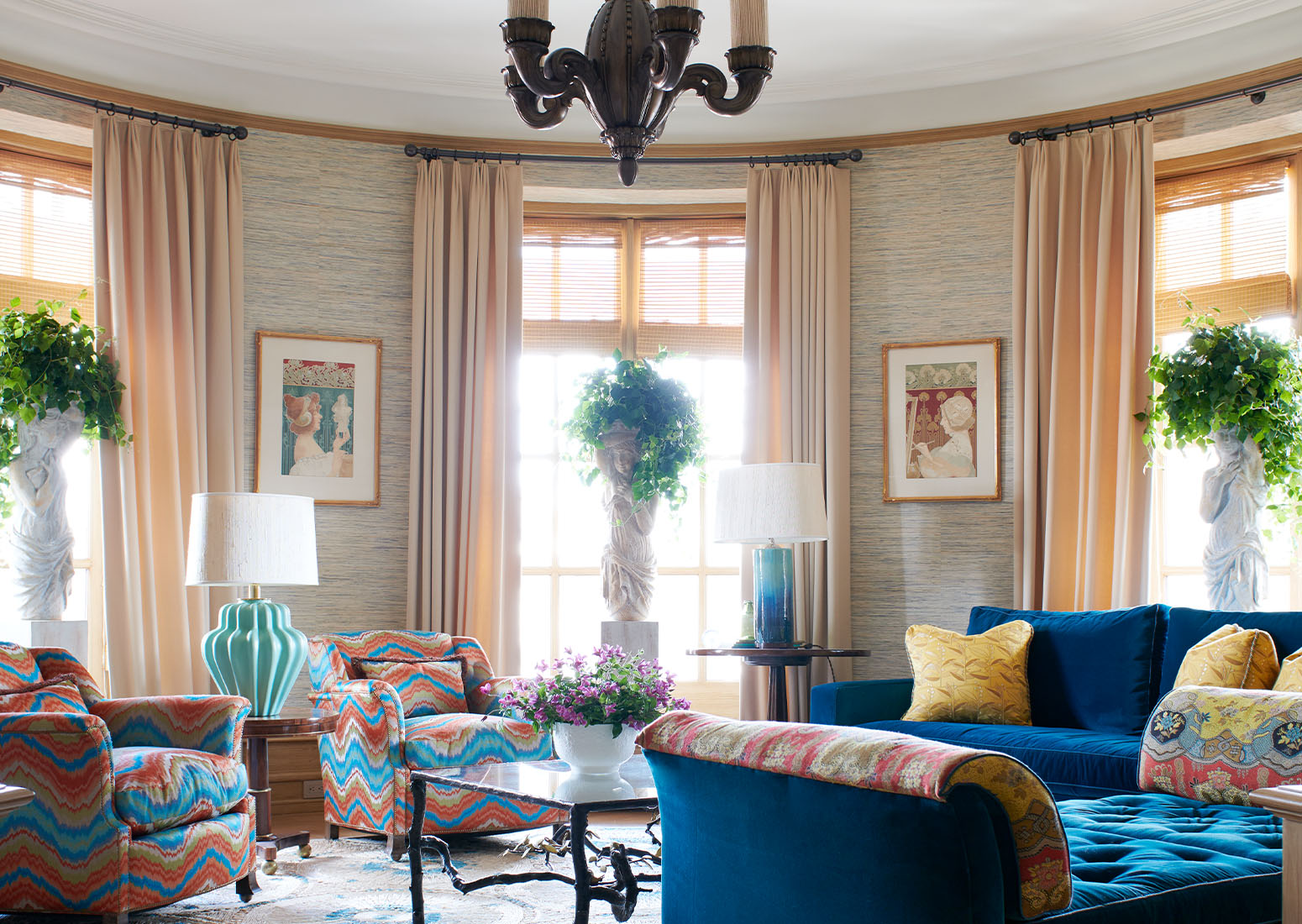
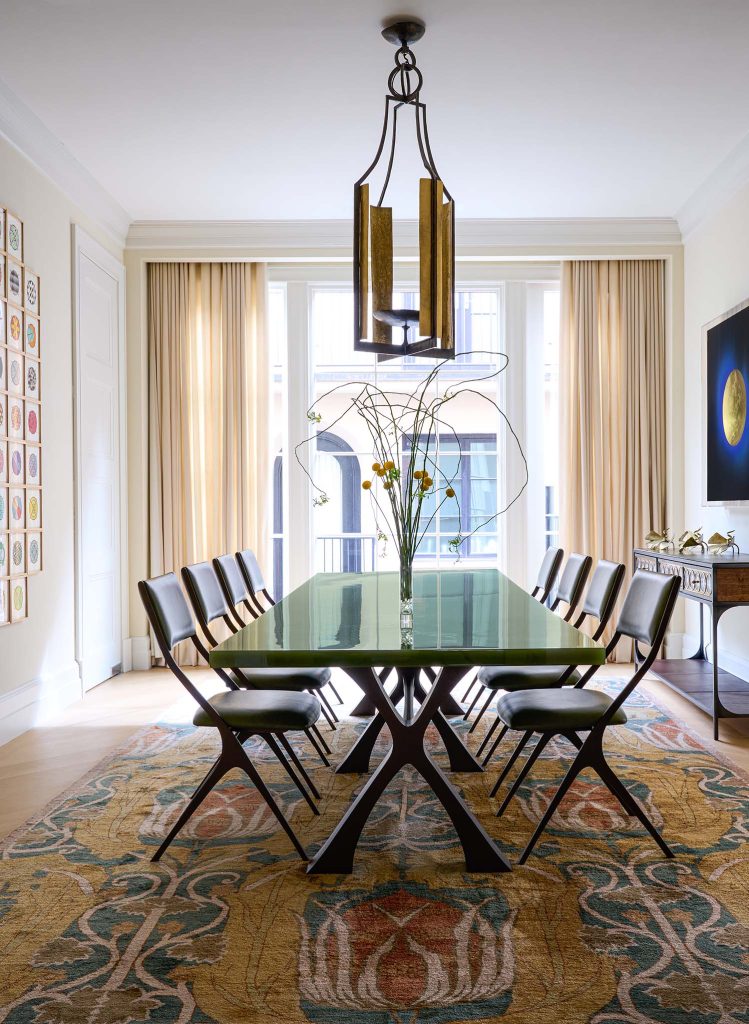
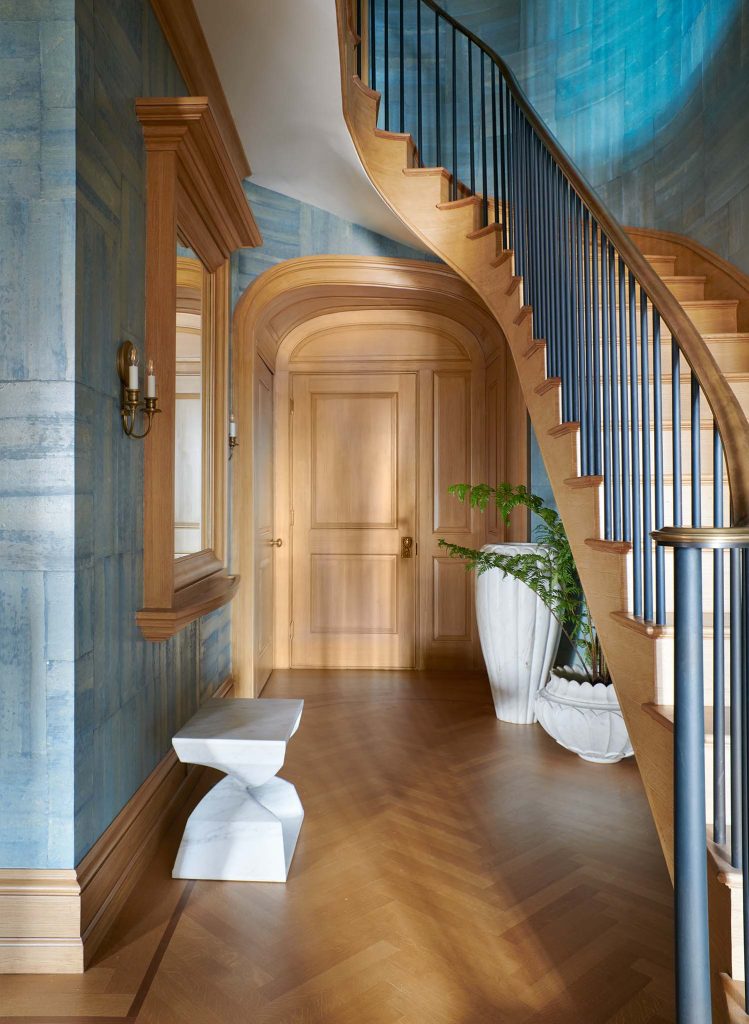
In an industry that often privileges spectacle, Henault’s philosophy is disarmingly grounded. A room, he believes, must register emotionally and physically. It must feel right in its texture, acoustics, proportions, and in the way a body moves through it. Nothing is accidental. Nothing is decorative in isolation.
“There should be no difference between beauty and comfort,” he says. A sterile environment may look striking, but if it does not allow a person to settle into it, it fails. Even spaces perceived as austere, such as Japanese gardens, are layered studies in contrast and texture, balancing organic and structured surfaces. Design, for Henault, is not surface. It is an experience.
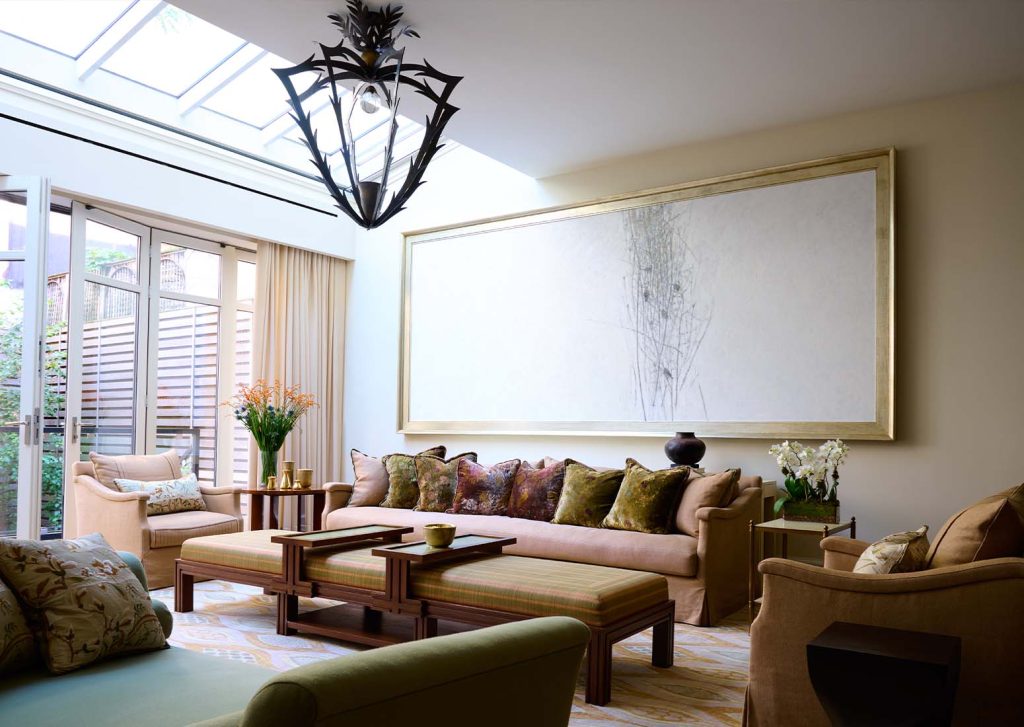
When asked to define his signature he answers with a single word: complete, and completion is his standard. This does not mean “flawless” in an ego- driven sense; it means fully considered. He does not photograph a room unless he believes it is finished — not styled for the moment, not artificially enhanced. Finished.
That level of intention requires his clients’ participation, but Henault does not rely on templated questionnaires or predetermined formats. He begins with essential questions: Who is this home for? How will it be lived in? Is it meant to impress or to shelter? From there, the real work begins through time, conversation, observation, and understanding. Meaningful design, he insists, cannot be reduced to a checklist.
This depth of thought has also shaped his recent expansion into social media. Admitting that he once felt like a dinosaur in the digital landscape, Henault shifted his approach. Rather than simply posting photographs of finished spaces, his curiosity became the content: he began talking about manufacturing, about how materials are made, about why drywall exists, and about the metal edges hidden beneath plaster that create a perfectly sharp corner. People, he realised, are not just interested in rooms — they are interested in the thinking behind them.
That thinking extends beyond interiors. As Henault walks through a city, he questions everything. Who designed this object? Why was this choice made? What need gave birth to this material? If something exists and is not from nature, someone conceived of it. That fact alone fascinates him.
Yet beneath his intellectual rigour lies vulnerability. When asked about the greatest challenge of his career, he answers plainly: his insecurity. He used to place immense pressure on himself to create the perfect environment for clients. Over time, he learned something gentler: most people do not have a fixed definition of perfection; they respond to attention. If you truly consider how someone lives, they will feel seen. That is what endures.
The projects closest to his heart are not necessarily the most public, but the ones that are deeply personal to the client — homes that feel like a window into the person who inhabits them, spaces that move families to grateful tears because they hold memory, ritual, and belonging.

For Henault, la dolce vita is not aspirational. It is immediate. “Drive fast, take risks and run with scissors,” he says, half-joking and entirely serious. Then comes the sharper reminder: people die every day. What are you waiting for?
Design, like life, should be big.
www.darrenhenault.com
@darrenhenault