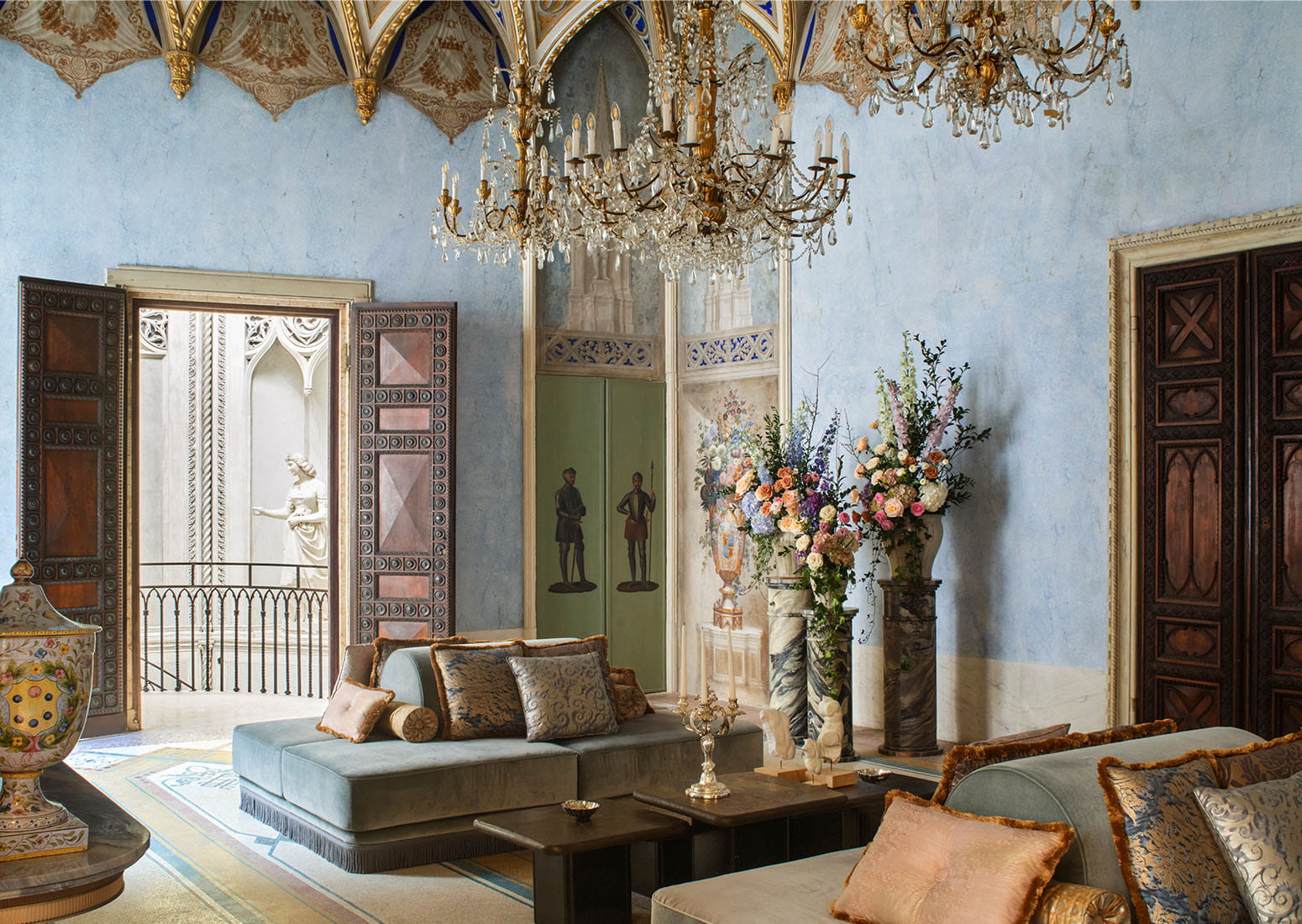
A historic landmark enters a new chapter, blending centuries of heritage with contemporary hospitality in the heart of Venice.
Venice was built on an audacious dream. Traders, painters, poets and power brokers looked at a lagoon and saw a city. For a thousand years, it has been the world’s most improbable metropolis: the place where East met West, where Marco Polo departed and Casanova schemed, where Titian mixed his pigments and Vivaldi composed by candlelight. It is thus a fitting location for the new Orient Express Venezia, a hotel born from the same impulse that built the city itself: the conviction that beauty, pursued without compromise, is never wasted. Inside the 15th-century Palazzo Donà Giovannelli, that conviction has found a very worthy new home.
Built in 1436 at the intersection of two canals in Cannaregio, the Palazzo has absorbed nearly six centuries of Venetian audacity into its walls. It has played host to royal weddings and grand intellectual conferences alike. Despite its grand history, for more than a century the building has lain dormant, waiting for the right dream to spark it back to life.
In March of this year, that dream arrived in the form of one of the most anticipated hotel débuts in recent memory.
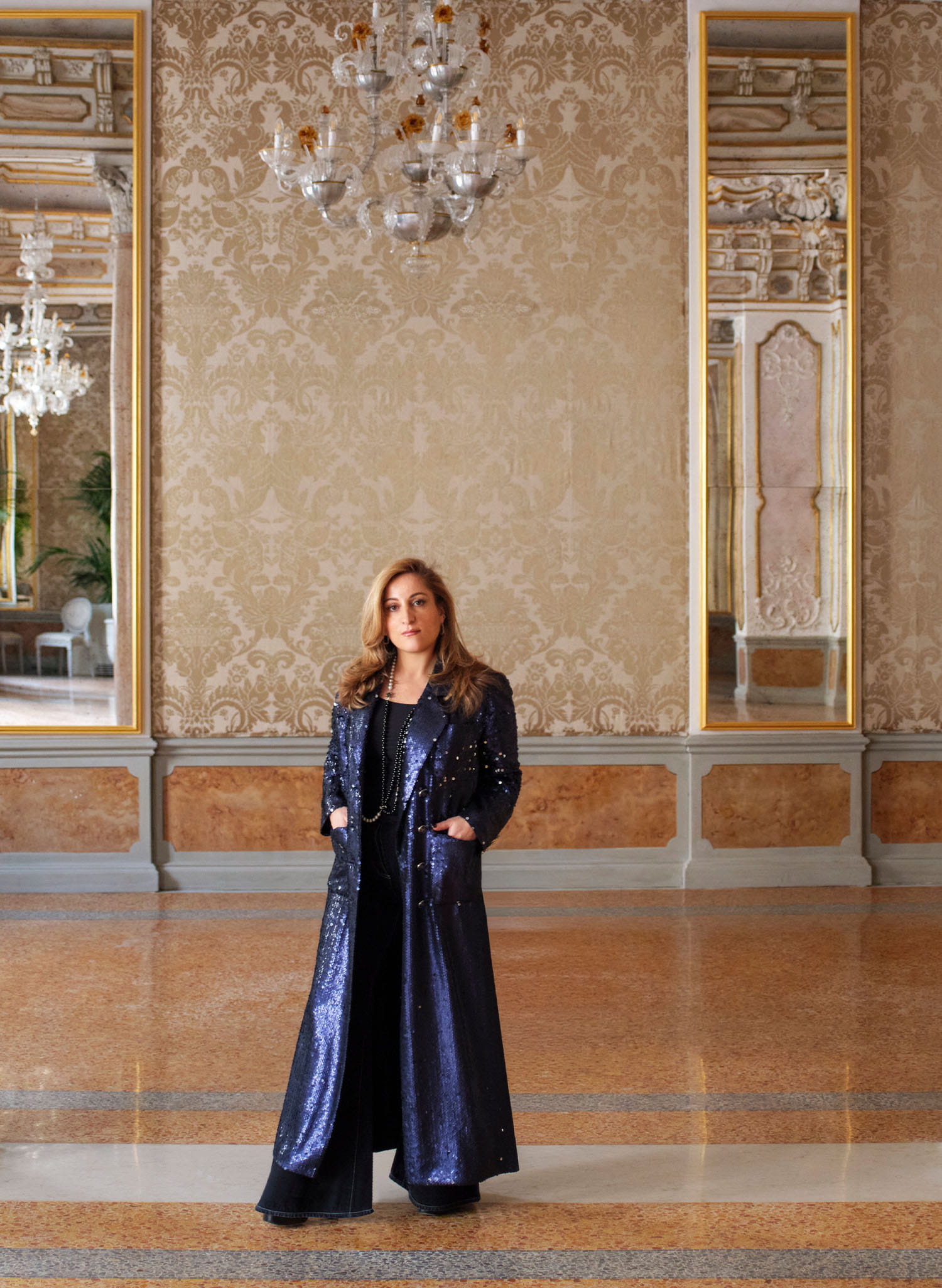
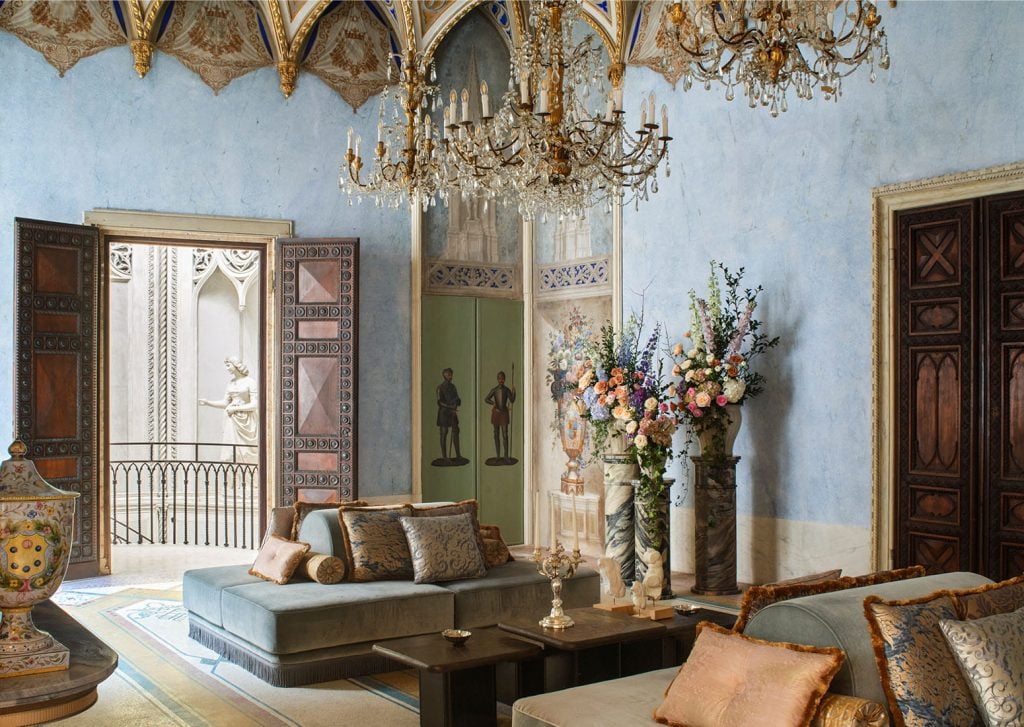
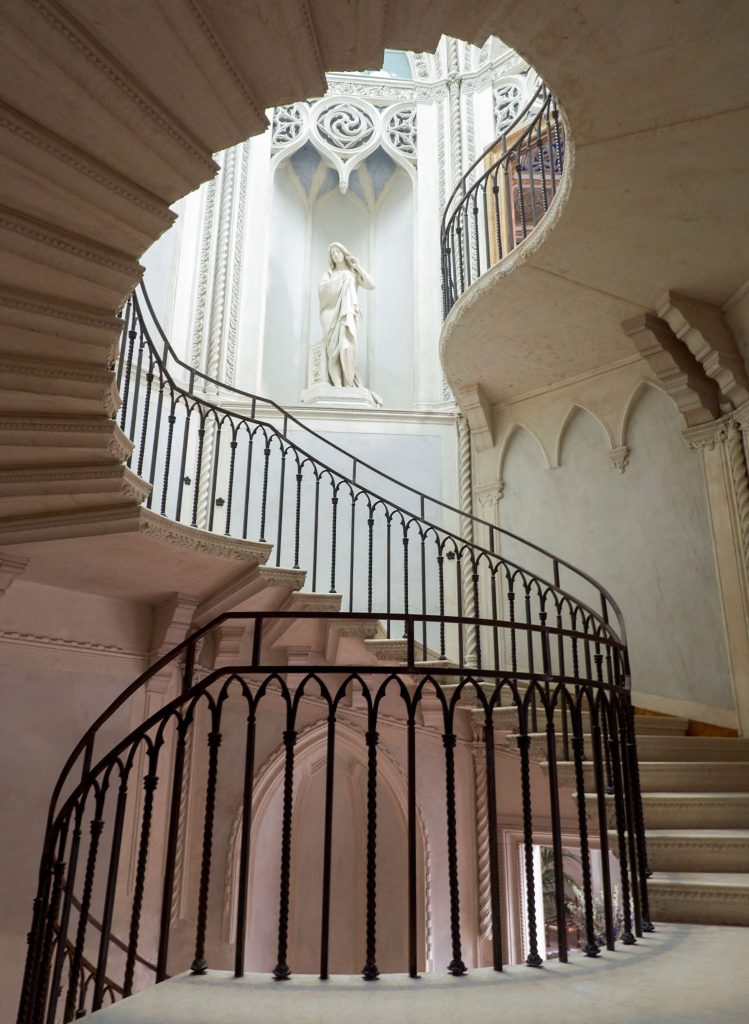
The opening of the Orient Express Venezia marks the moment a six-century-old dream finally found its rightful form. Lebanese French architect and interior designer Aline Asmar d’Amman led the eight-year transformation. D’Amman approaches historic buildings the way a great editor approaches a manuscript, with reverence for what’s already there, and the confidence to make it sing. She peeled back centuries of accumulated layers to find frescoes, carved surfaces and other marvels the Palazzo had kept hidden within its walls.
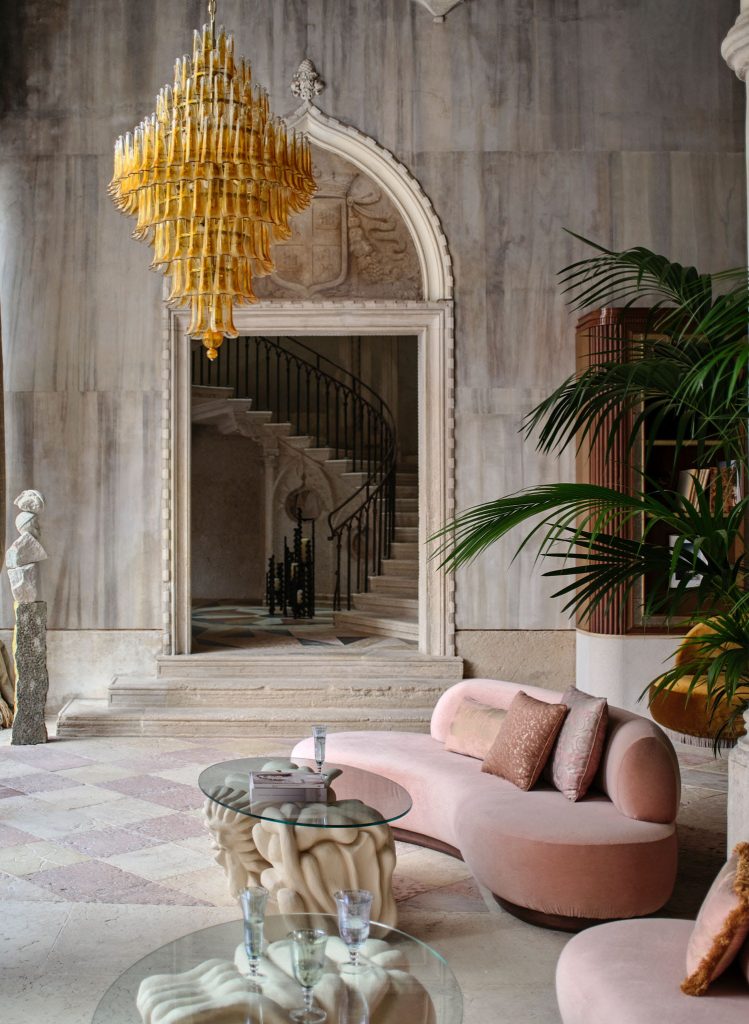
The lobby, called il Corte del Conte and once home to an open stone courtyard, now hosts a menagerie of sculpted boiserie, deep velvet and bespoke Murano chandeliers casting amber warmth across the space. It is the kind of room that makes you lower your voice without being asked, knowing whatever is taking place here deserves your full attention.
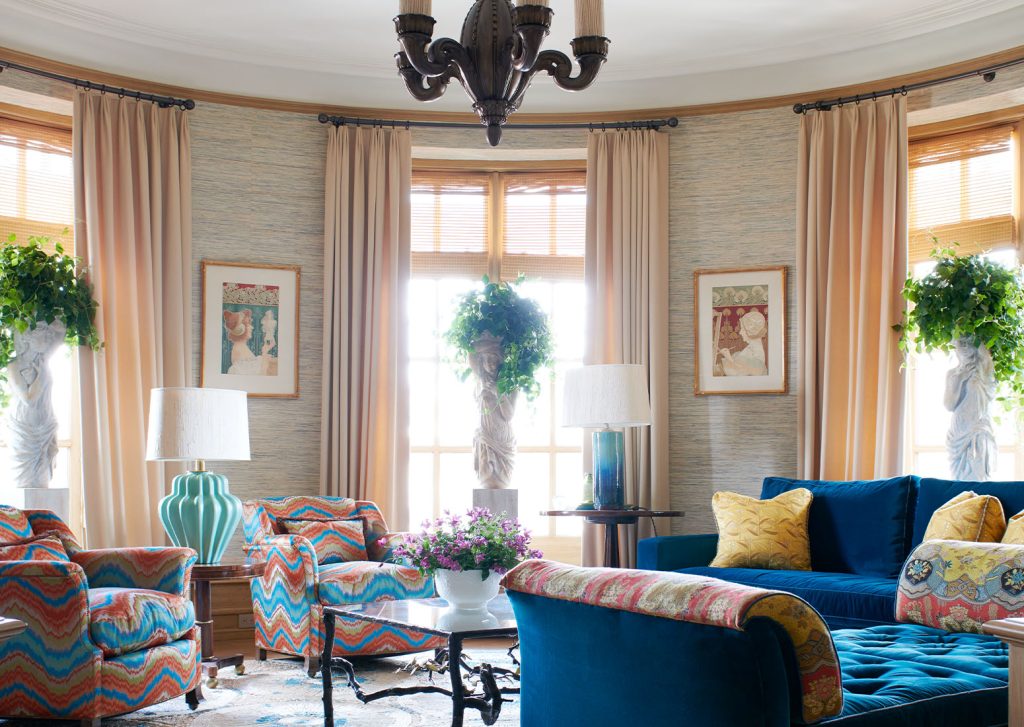
Across the Palazzo unfold 47 rooms, suites and residences, each shaped by the particular history of its corner of the building. The six Signature Suites are the most immersive, with 19th-century frescoes of the goddess Minerva gazing from ceilings, monumental marble fireplaces that anchor canal- facing rooms, and gilded salons that reach up to 145 square metres animated by dancing cherubs. Those fortunate enough to rest their heads here will feel as if they’re inhabiting a master painting from Venice’s greatest century. Each thoughtfully curated space is alive with detail and impossible to take in all at once, inevitably making each guest utterly reluctant to leave.
The culinary program matches the hotel’s design ambition. The three-Michelin-starred Chef Heinz Beck oversees all of the property’s food and beverage offerings, which include an intimate fine dining restaurant in the historic orangerie and the all-day dining experience at La Casati, named for the extravagant Marchesa Luisa Casati, one of history’s most theatrical hostesses. An additional Wagon Bar pays tribute to the Art Deco luxury of the original Orient Express train, evoking the legendary lounge cars where the most interesting artists and aristocrats of the era did their most interesting thinking … and drinking.
Guests arrive by boat through the Gothic water gate, bypassing the tourist tide entirely to glide directly to the Palazzo’s private dock — just as Venetian merchants, diplomats and artists all once did. The gate itself dates to the Palazzo’s original 15th-century construction, one of the few remaining private water entrances of its kind still in active use in the city.
The hotel opening completes the trifecta of the Orient Express’s Italian offerings: La Minerva in Rome, La Dolce Vita luxury train and now fresh roots in a city that has always welcomed the rootless with open arms.
Venice is the city where, for centuries, the world’s most ambitious dreamers came to prove something to themselves, to each other and to posterity. Orient Express Venezia hopes to continue that history, one newly inspired dream at a time.