

Beyond the chaos, Mexico City reveals a renaissance of art, Michelin-starred dining, vibrant neighbourhoods and timeless traditions — a capital reinventing itself daily, balancing history and innovation with unmistakable Mexican soul.
Mexico City: A Capital Experiencing a Renaissance
My first images of Mexico were of white sand, turquoise-blue water, sun, tacos, tequila and margaritas – a postcard destination. Yet beyond the beaches lies a city to be felt rather than merely seen.
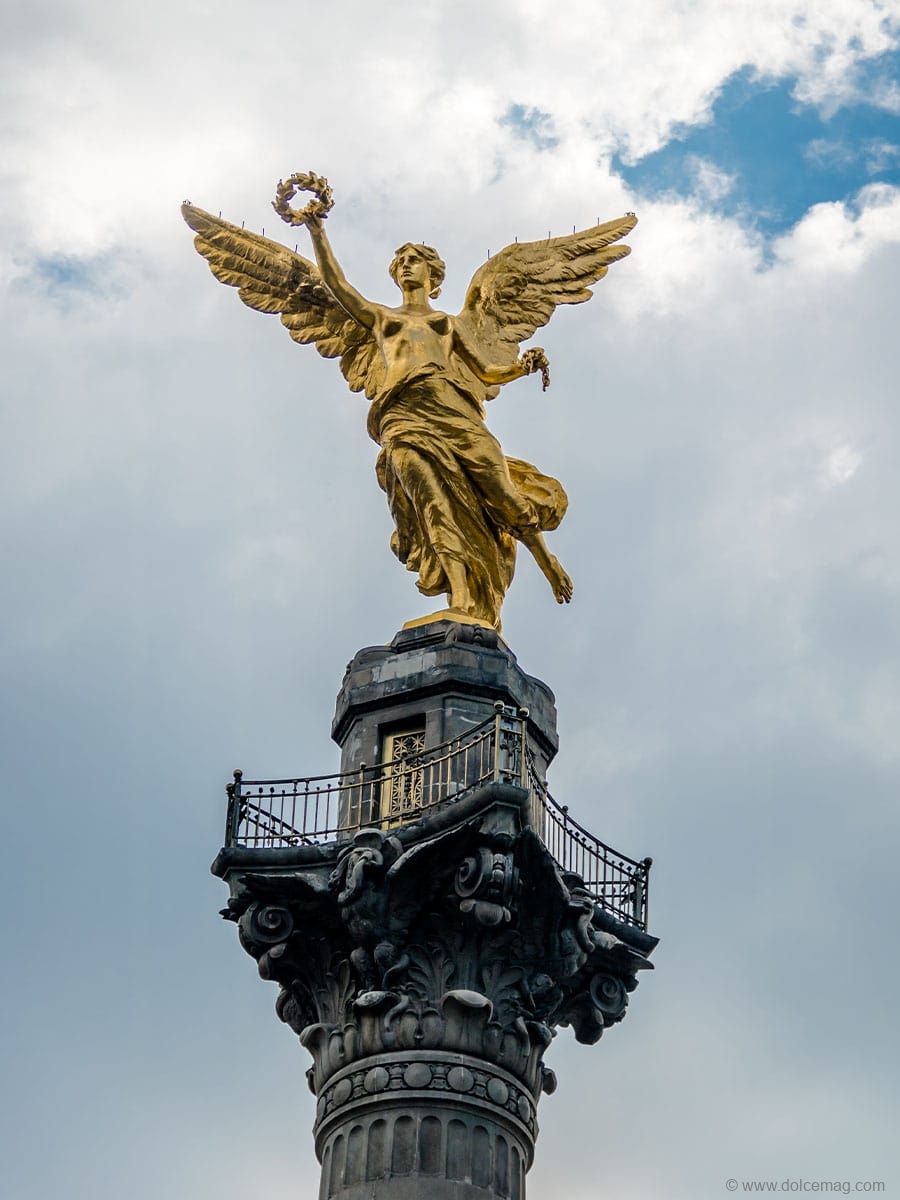
I moved to Mexico City braced to endure rather than enjoy it – traffic, pollution, crime, and chaos. Instead, beneath the watchful golden Ángel I discovered resilience and renaissance unfolding through art, food, design, and innovation that would change the way I see the world.
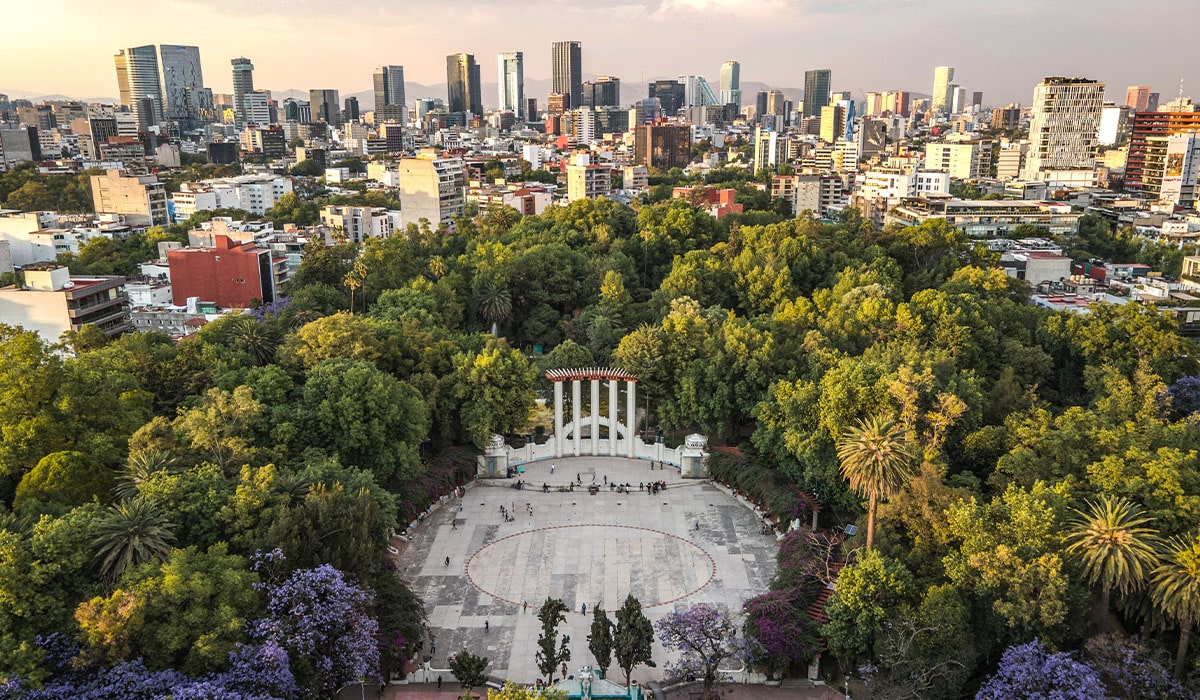
What I found was an organized chaos that reveals its beauty layer by layer through the rhythms of its streets and the people’s stories. Beneath colonial facades lie Aztec ruins; behind modern glass towers murals tell the stories of struggle and resilience. Each neighbourhood beats to its own rhythm, a reminder that Mexico City has always been a crossroads of worlds – indigenous, colonial, and modern in one breath.
“Each neighbourhood beats to its own rhythm, a reminder that Mexico City has always been a crossroads of worlds — indigenous, colonial and modern in one breath.”
Neighbourhoods with Distinct Souls
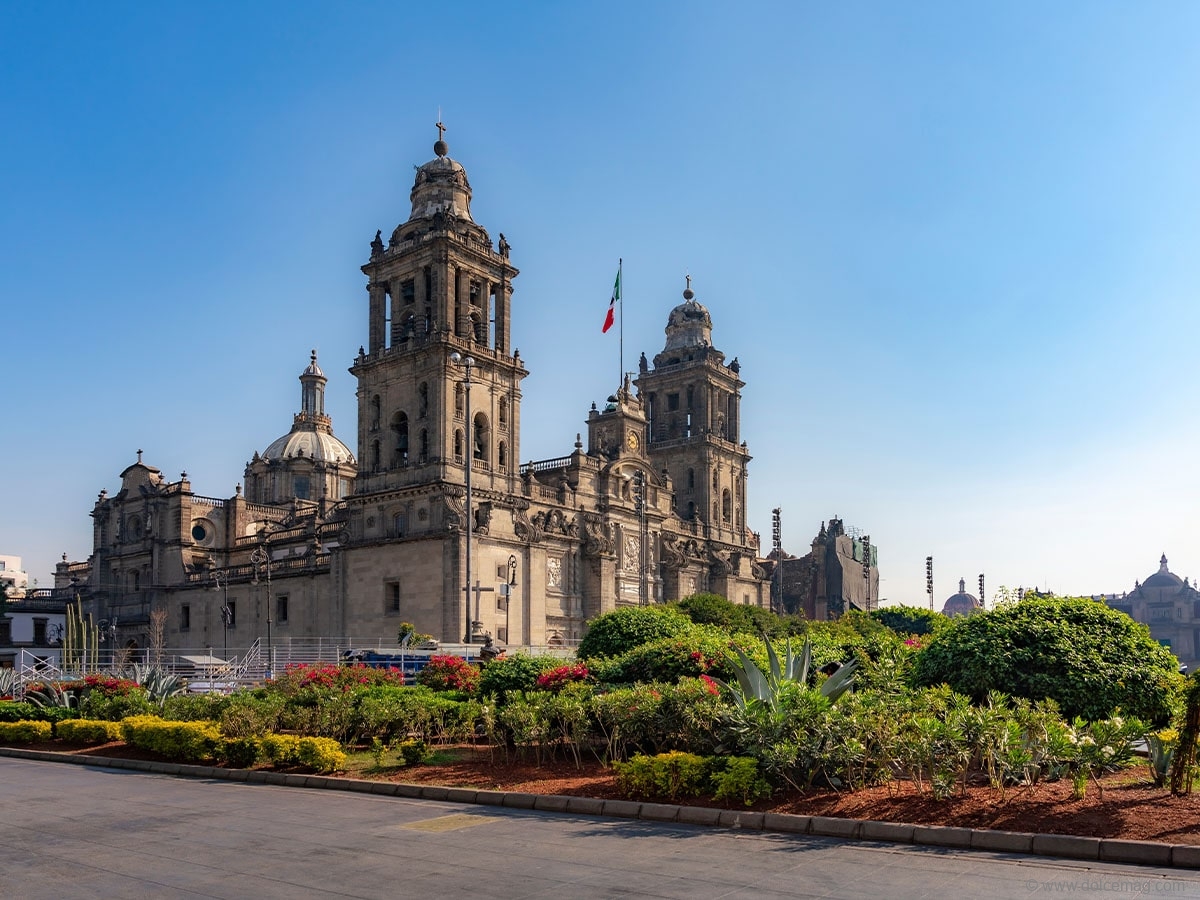
At the city’s heart the historic centre gathers Mexico’s past and present, a vast Mexican flag shadowing the Cathedral and the Templo Mayor pyramid – history unfolds from Aztec emperors to revolutionaries echoed in Diego Rivera’s mural “The History of Mexico.” The streets around it burst with life: the Palacio de Bellas Artes, mariachis in Garibaldi, organilleros on corners, and stalls selling everything from gold to handwoven crafts. Messy, noisy, and endlessly layered – the Centro Histórico is the city’s soul.
From there, the city’s personality splinters into worlds of their own: Polanco with its colonial revival villas, embassies, and Masaryk’s high- end luxury brands, boutique hotels, cafés, and restaurants. By day executives arrive to their meetings by helicopter to avoid the morning gridlock and at nightfall Michelin-starred dining and mingling over wine sets the stage to see and to be seen; Roma and Condesa’s bohemian air slows the pace. Writers, artists, designers and expats linger in cafés surrounded by Art Deco buildings reborn as vintage shops, bookstores, and indie fashion boutiques. After dark, mezcalerías, cocktail bars, and restaurants run by visionary young chefs fill with cool crowds and conversations last until morning.
Further west, Santa Fe’s corporate glass towers and luxury malls reflect the city’s modern edge softened by La Mexicana Park’s trails, playgrounds and skatepark. Next door, Bosques de las Lomas slows the pace with its mansions hidden behind high security walls, prestigious private schools, patisseries and restaurants – a self-contained enclave that is home to Mexico City’s most influential families.
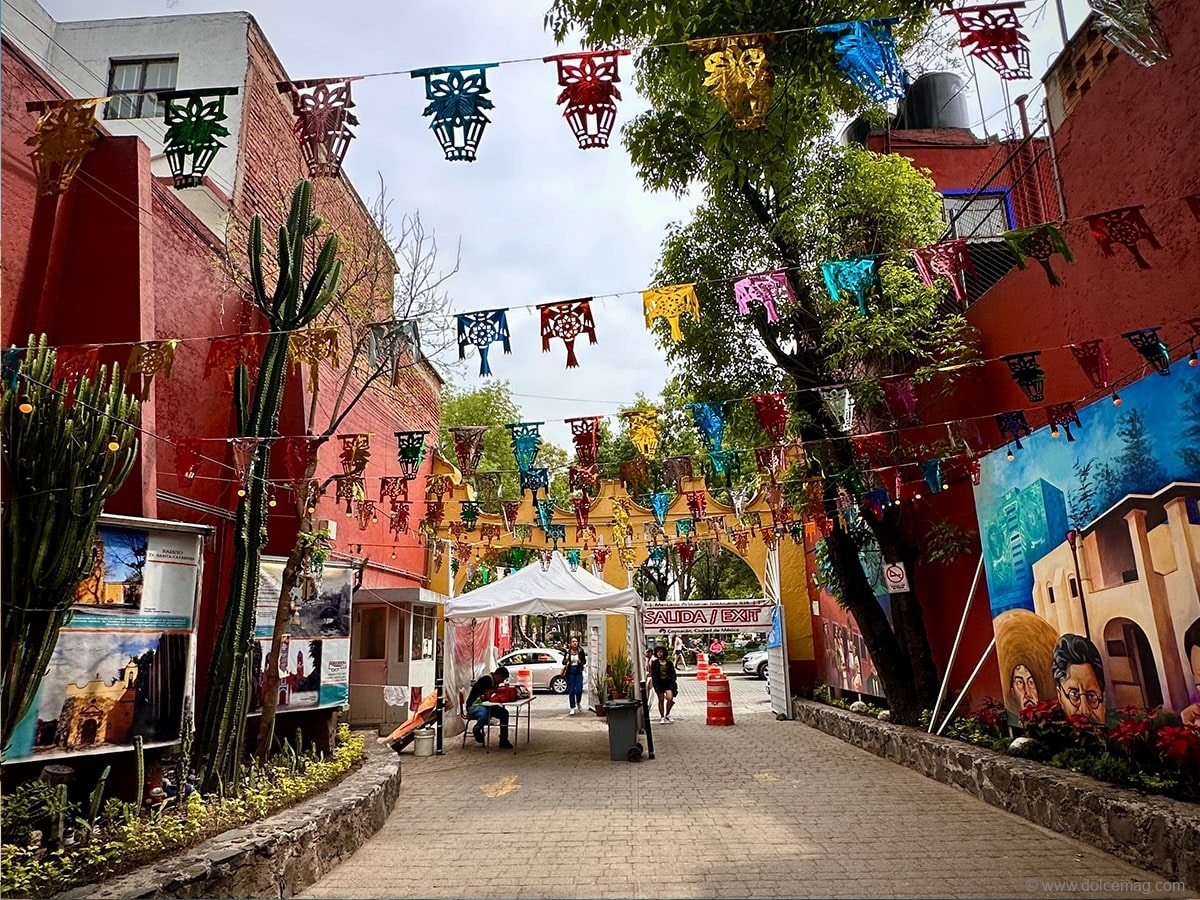
To the south, Coyoacán, San Ángel, and Pedregal feel like towns tucked inside Mexico City and they reveal another face: cobblestone streets and Frida Kahlo’s Casa Azul, in Coyoacán, San Ángel’s Saturday art market in Plaza San Jacinto, and Casa Pedregal, Luis Barragán’s modern masterpiece built into volcanic rock, now a UNESCO World Heritage Site. By day they hum with art and markets; by night lantern- lit squares and cantinas overflow, carrying a timeless, laid-back spirit and a deep appreciation for Mexican traditions that balances the city’s relentless drive.
A Culinary Awakening
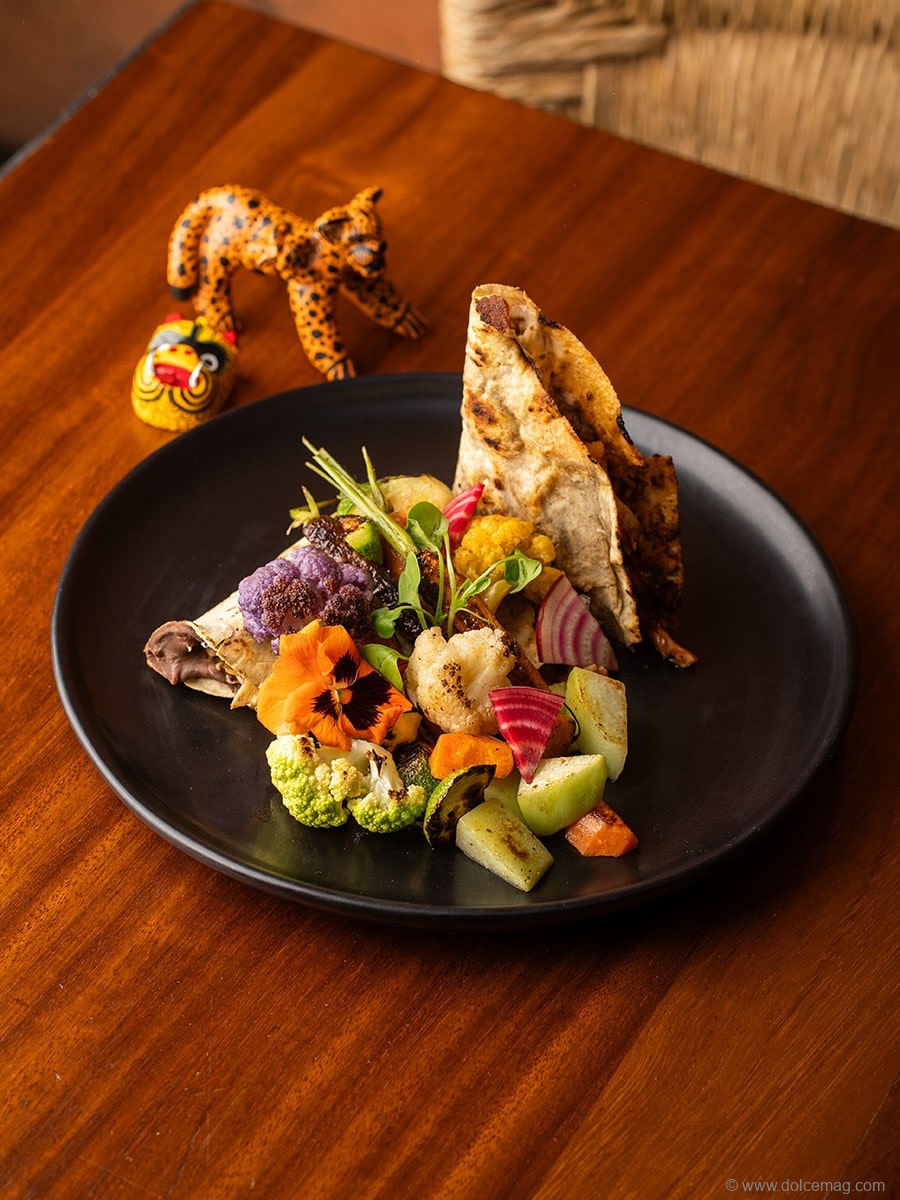
Then there’s the food. Mexican cuisine is among the most complex and expressive in the world, and nowhere is that more evident than in its capital. It is no wonder that it has been honoured globally by UNESCO, which inscribed traditional Mexican cuisine on the Intangible Cultural Heritage of Humanity list, the world’s first national cuisine to receive such recognition. From its humble street stands to high-end restaurants reinventing centuries-old recipes, the city pulses with culinary creativity. Chefs are not only preserving tradition but reimagining it, whether crafting moles with unexpected twists or pairing local flavours with Mexico’s growing portfolio of world-class wines, tequila and mezcal.
This innovation has not gone unnoticed: Mexico City now proudly holds Michelin stars, solidifying its place among the world’s great gastronomic capitals. And yet just as memorable as a star-studded meal is a late-night taco al pastor on a street corner, eaten shoulder-to-shoulder with locals under the neon glow of a taquería.
A Global Stage with Local Heart
Mexico City is also firmly on the global stage. It hosts the Formula 1 Grand Prix, Zona MACO – the largest art fair in Latin America – as well as film festivals, fashion weeks, and concerts that rival any world capital. And then there’s the Day of the Dead parade, a burst of colour and symbolism that celebrates life by honouring death. For Mexicans death is not an end but a continuation, a perspective that imbues the festival with beauty, depth, and joy that captivate visitors and locals alike.
A City That Keeps Surprising
Perhaps the greatest surprise of all is how personal the city feels. Despite its immensity, Mexico City can be experienced as a mosaic of intimate villages, and what makes it even more captivating is how different cultures and ethnicities coexist here. Indigenous, Spanish, Lebanese, Jewish, Asian and many more – each preserving its heritage while fully embracing what it means to be Mexican. You taste it in the food, see it in the architecture and feel it in the traditions that live on in the streets and festivals. Mexico City is not the quick beach escape I once imagined when I thought of Mexico. It is a world within a world – layered, complex, unpredictable, and utterly captivating, made even more so by the warmth of its people. Their hospitality transforms the city’s chaos into something inviting, reminding me that beyond the monuments and museums, it is the human connection and the tapestry of so many stories that make this place unforgettable. To visit is to shed old assumptions and uncover a city that reinvents itself with every street, every flavour and every encounter.