

Discovering Jewish Italy Beyond the Crowds.
Over-tourism has become a growing and constant concern, with long queues surrounding monuments and streets flooded with people. Italy today can feel like a country almost carried away by its own popularity. Despite this, Italy still holds countless undiscovered, unbeaten paths in places intrinsically woven into the historical and cultural fabric, no less Italian and undeniably part of its heritage.
A History Older Than Italy Itself
Even in the busiest cities, there exists another Italy quietly beneath the surface. Jewish Italy is one of those living stories, stretching back more than two thousand years — an Italy hidden in courtyards, narrow alleys, synagogues, fading inscriptions, and communities whose heritage is no less Italian than a Renaissance masterpiece.
A history of surviving empires, papal decrees, ghettos, emancipation, and tragedy has left a profound imprint on Italian culture.
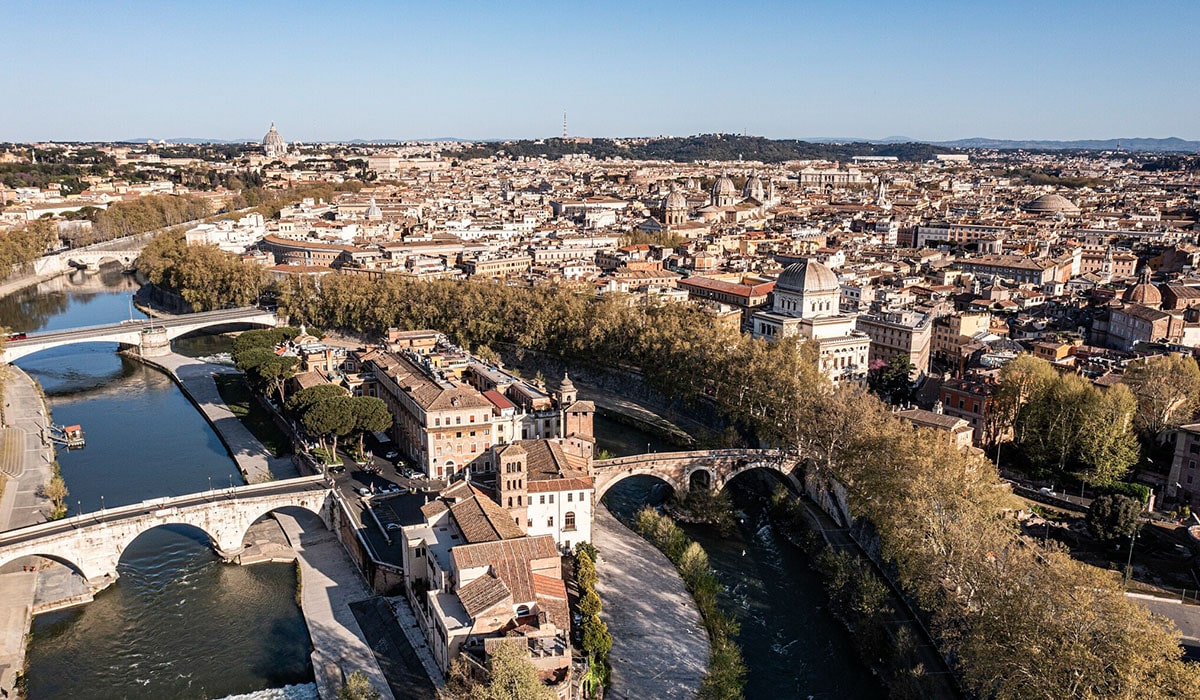
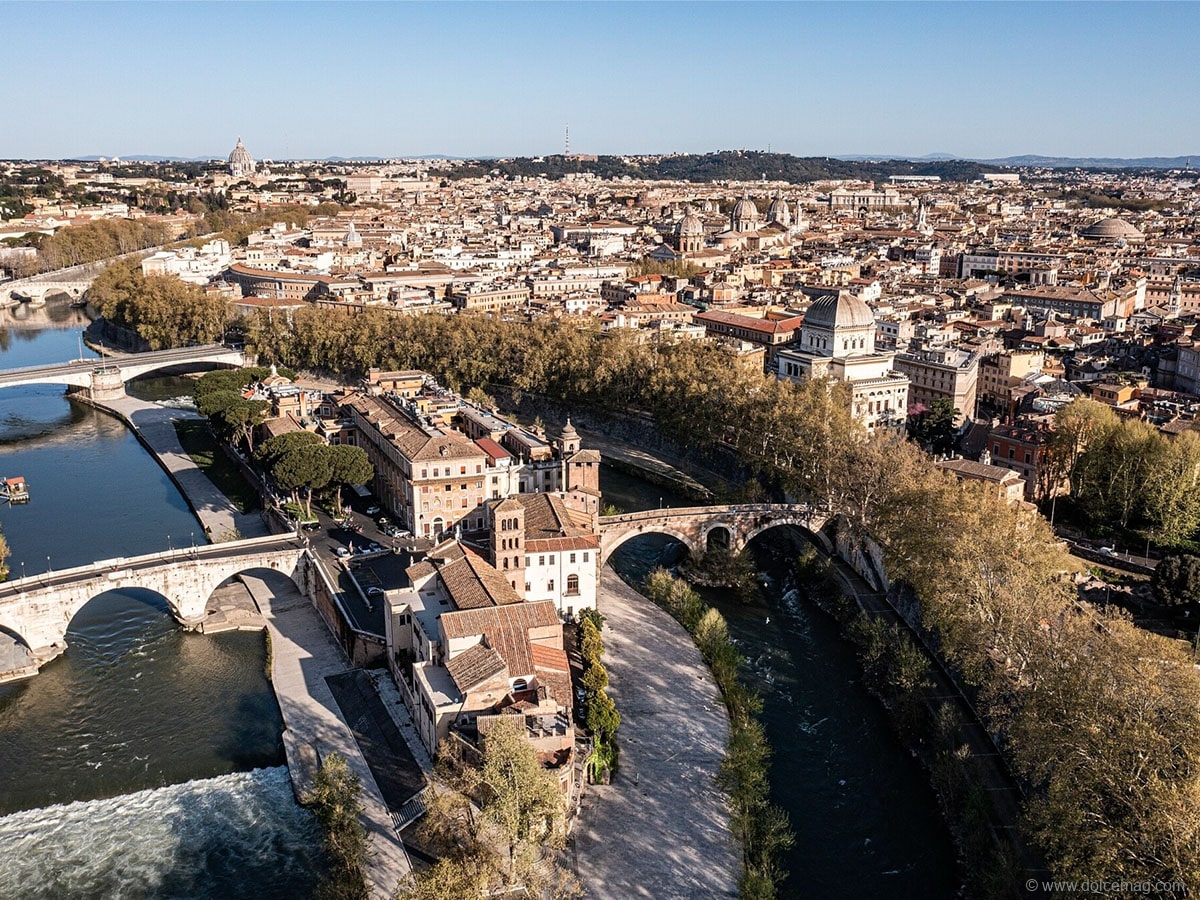
In Venice, where the term “ghetto” originated, the tall, narrow houses and the concealed synagogues stand as living reminders of a world that once thrived. In Rome, Jewish history still comes to life beneath the Portico d’Ottavia, where streets are a testament of the resilience of its people. Ferrara’s Jewish quarter carries the echoes in its streets, synagogues, and courtyards through centuries of scholarship, poetry and civic life that helped shape the city’s cultural soul.
Across the South, traces of Jewish life appear in ways that are less obvious. In Puglia, the synagogues of Trani are a reminder that a Jewish community once shaped daily life. In Sicily, from Palermo to Siracusa, a hidden mikvah or a Hebrew carving catches your eye, reminding you how present these communities once were and their great significance.
The Cultural Contribution
The contribution of Jewish communities in Italy spans science, medicine, philosophy, literature, art and ethics, and has greatly contributed to Italy’s identity today. One of the most accessible and enduring ways this heritage survives is through food.
Food reveals a story of a place more honestly than anything else. Many of the dishes people now associate with their favourite cities began in Jewish kitchens long before they became local staples. In Rome, carciofi alla giudia — artichokes fried until they bloom like bronze flowers — still anchor Roman tables. Venice’s sarde in saor, created out of necessity, is now woven into the city’s culinary identity. These dishes remind us that Jewish life was never just a fleeting chapter in Italy’s history but rather a part of its cultural fabric.
Where Memory Lives
The food we taste, the streets we walk, and the rhythms of neighbourhoods all reveal a heritage that is fully Italian and fully Jewish, intertwined across time. It is the Italy that lives in the quieter places — the streets, the stones, the stories — that reveal the Italy beneath the surface. To truly understand that connection you must step away from the well-worn paths, walk these streets, and let the history come to life around you.
A Gentle Invitation
For those who feel called to explore this heritage first-hand, Marotta Travel will be hosting an Italian Jewish Heritage Tour in 2026.