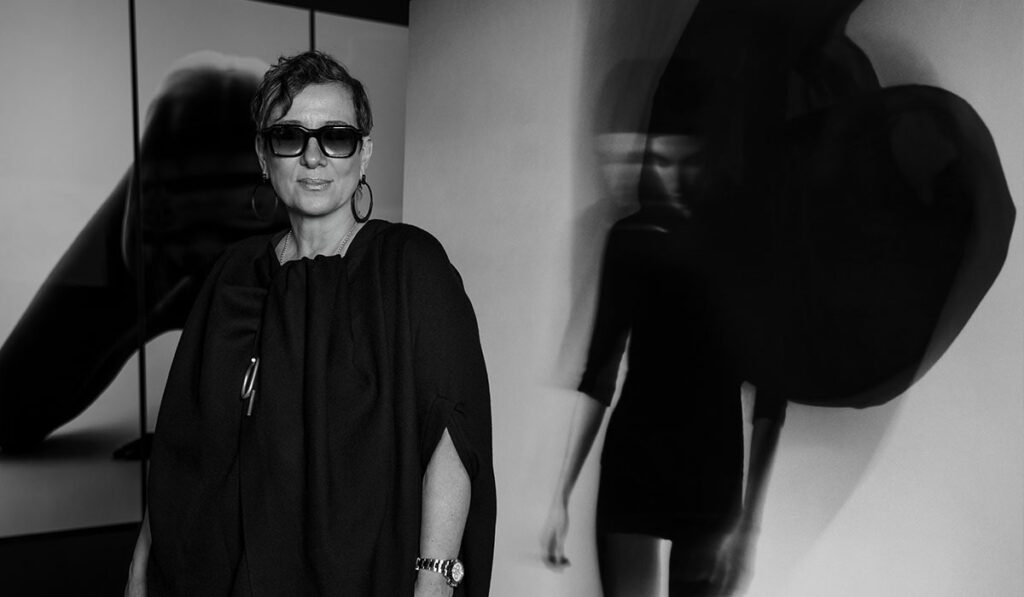
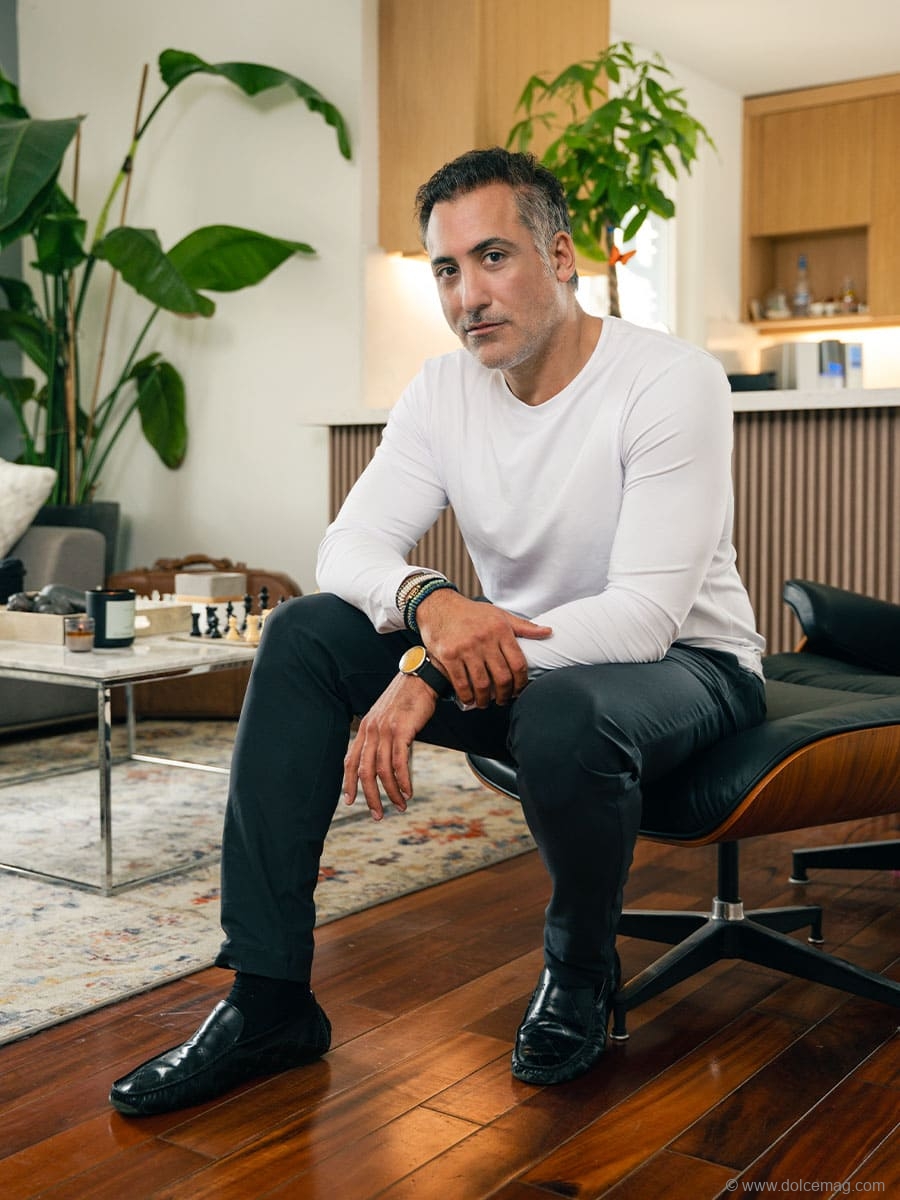
Alva Roy’s aRA Architects in Toronto brings innovative creativity to the world of architectural design.
The adage “architecture is frozen music,” attributed to the famed German writer Johann Wolfgang von Goethe, is the more well-known half of his more encompassing observation, “Music is liquid architecture; architecture is frozen music.” It’s an elegant statement that highlights the similarities between the two forms of art: both music and architecture employ the use of structure, form and proportion as ways to express harmony. And if Goethe was correct, then the award- winning architect Alva Roy of Toronto should be considered a maestro. He is a composer and conductor of the highest order, whose drafting pencil is his baton and his materials his orchestra.
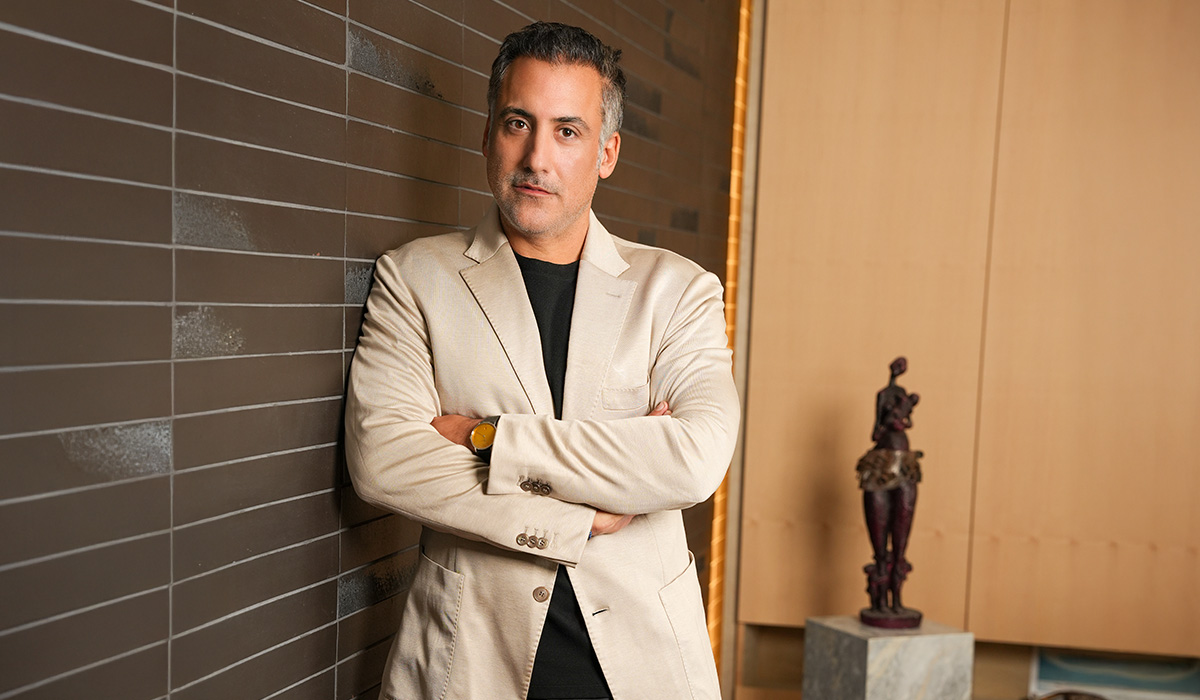
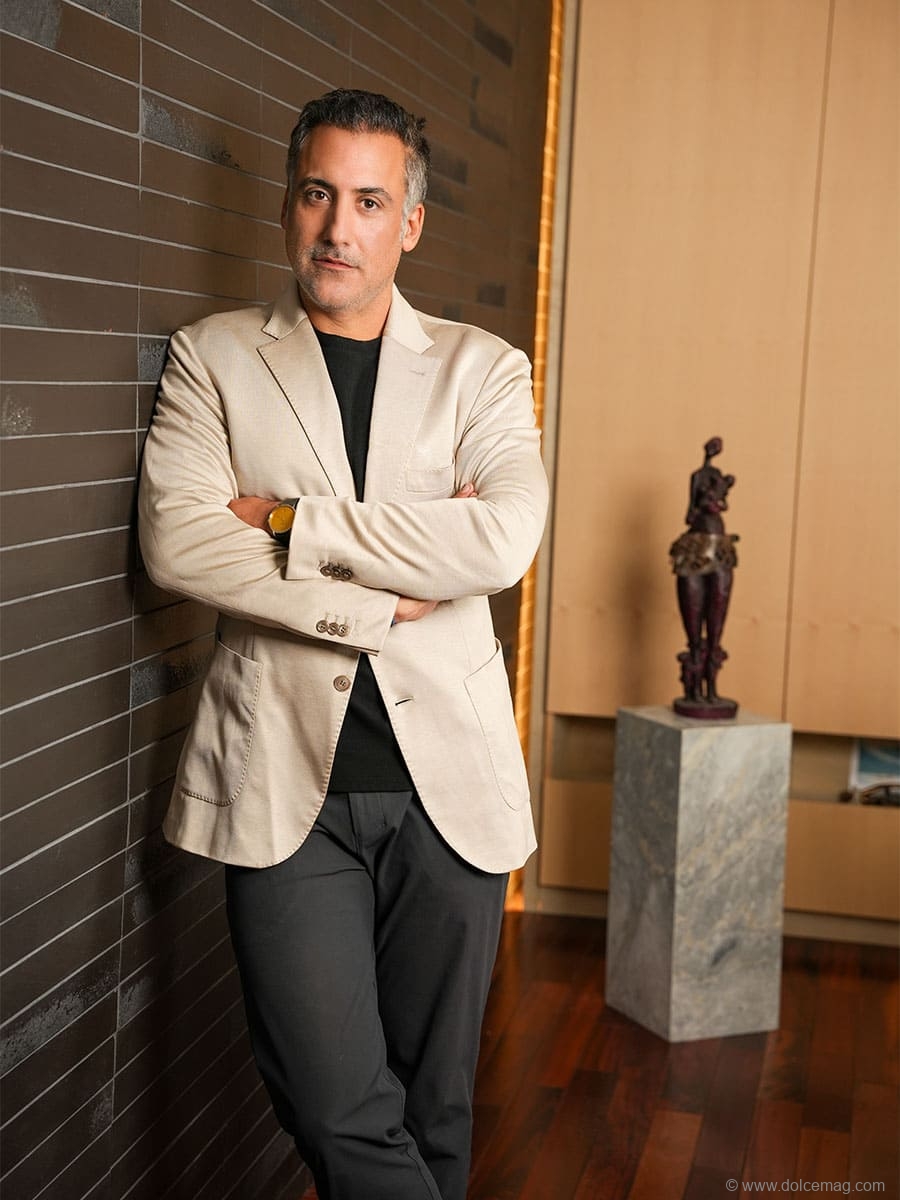
“People ask me all the time what is my definition of architecture,” says Roy in a recent interview with Dolce Magazine. “It was a question I often asked myself as I was going through architectural school, and everyone seems to have a different answer. And my definition has changed over the years based upon my stage in life. At this time and at this stage of my life, I would say my definition of architecture is ‘How do you respond to the needs? What is your need? What is your want and how can I help you?’ Architecture is not a problem to solve, it’s not trouble. It is a need that you have, unconsciously, but you are not aware of yet. My role as an architect is to uncover and respond to that need and that response is then found in the form, the floors, the walls and even the materials and all the details.”
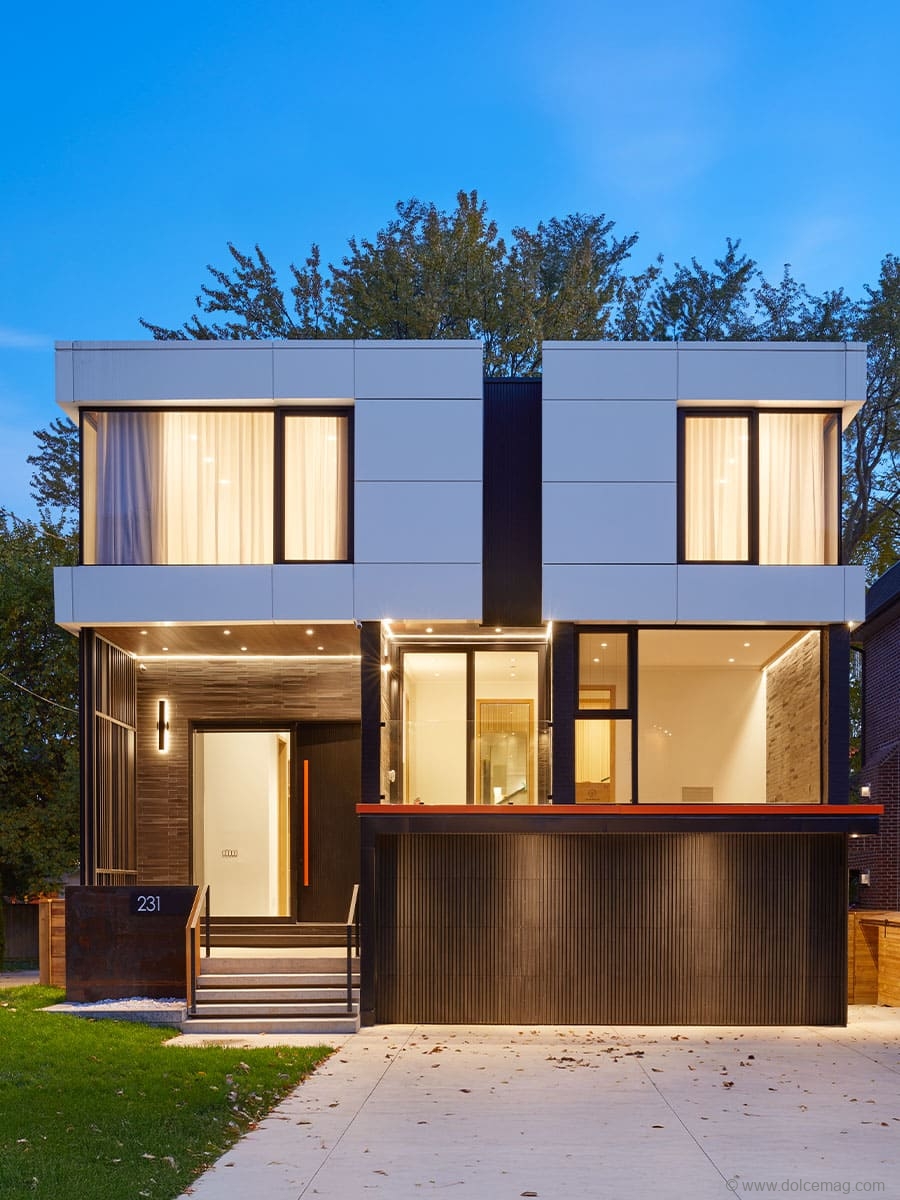
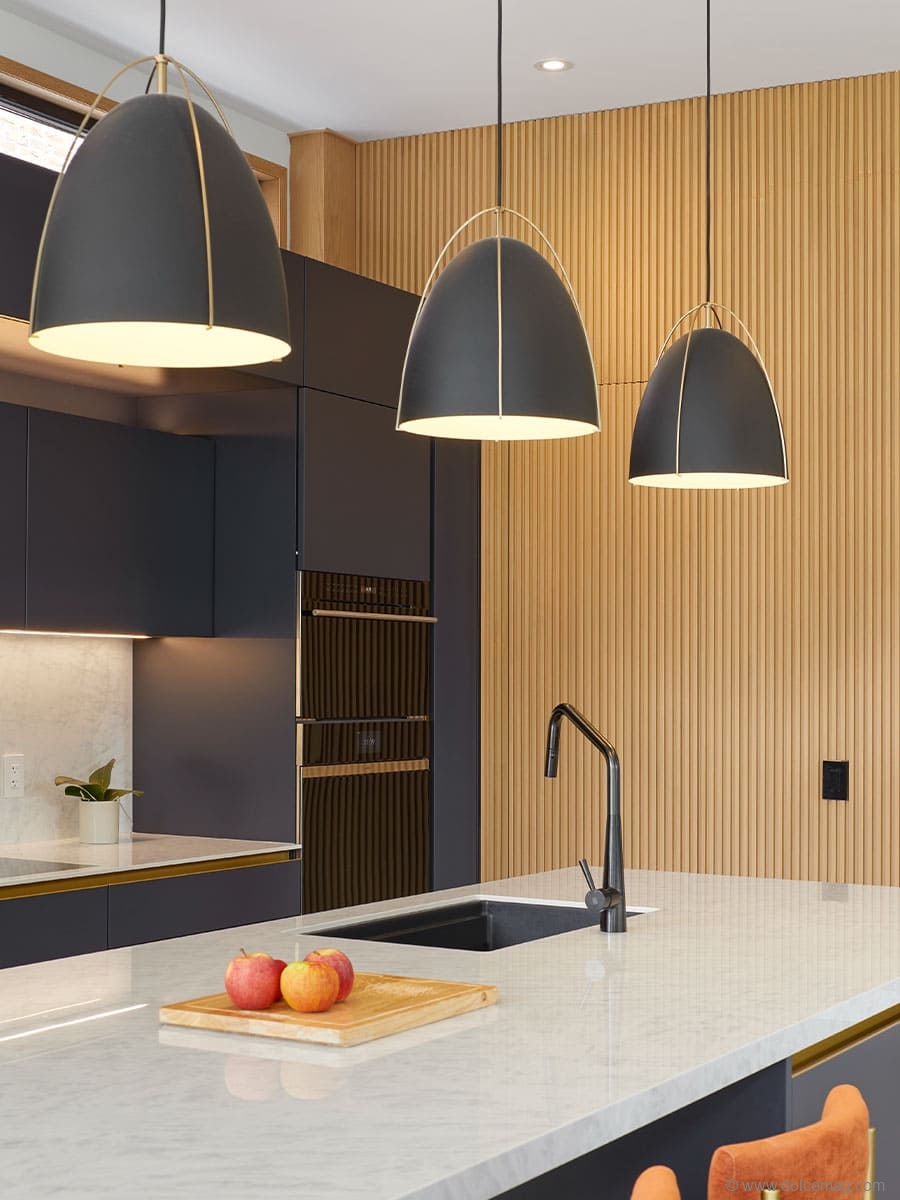
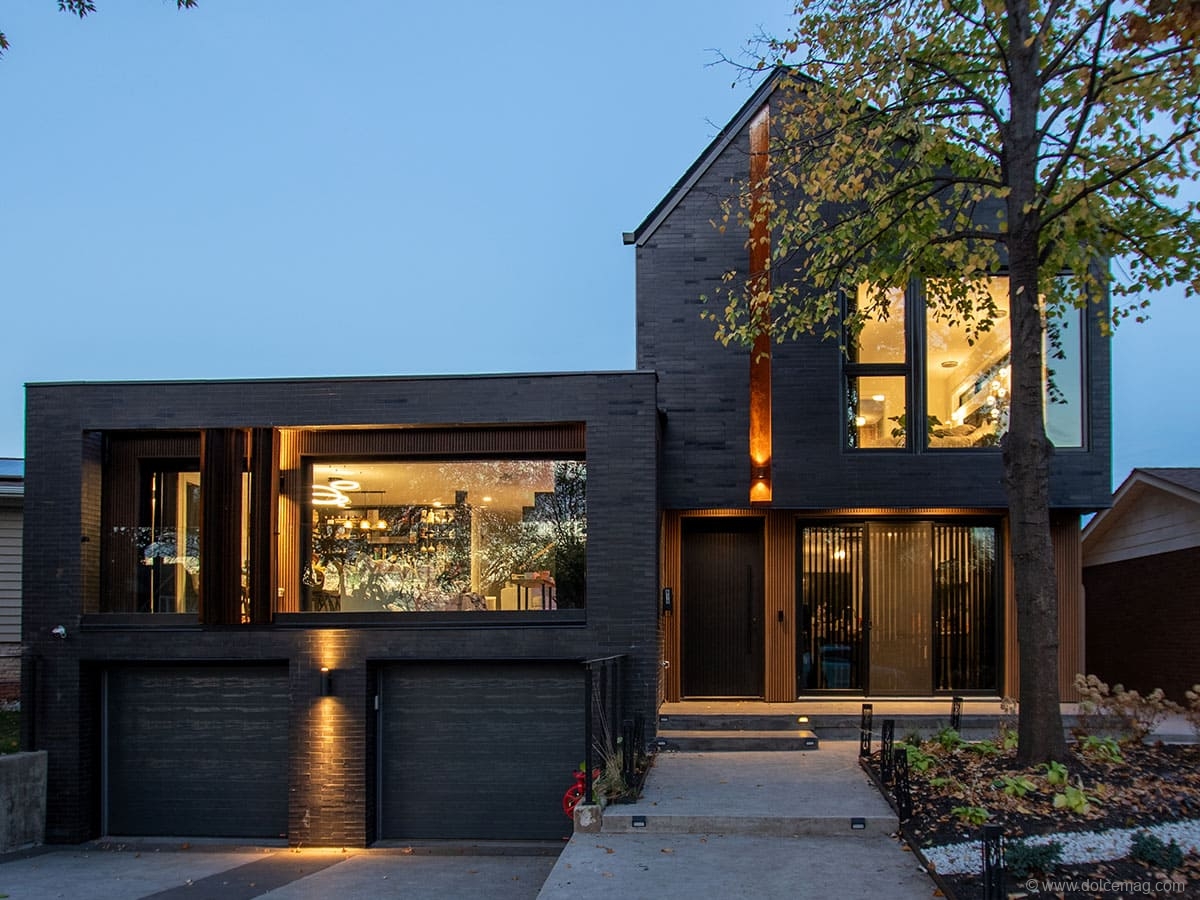
Alva (John) Roy, who studied in Tehran and interned in Sharestan, Iran, founded his Toronto-based architectural practice, Alva Roy Architects (aRA) after moving to Canada in 2003. Specializing in both residential and commercial architecture, the firm has consistently pushed the boundaries of architecture through its innovative use of materials, refined spatial strategies and a deep commitment to meaningful design. Since its founding, aRA has designed residential developments, restaurants, automotive showrooms, exhibition booths and many private residences. As well, the firm has worked on many award-winning institutional and high-rise projects across the Middle East and Europe — in all, more than 131 projects, 40 of which are located in Ontario, and 89 of which are located in Europe, Asia and the Middle East.
“THE GOAL IS TO BRING A COMFORTABLE, BEAUTIFUL SPACE TO THE OWNERS’ LIFE.”
Talking to Roy, you immediately realize that his creativity is on a higher level, like that of a musician or visual artist. He does not just see spaces as places, or form fusing with function, but brings every one of his senses to every creative assignment. “Yes, architecture is about spaces and form and function, but it is also about colours and smells,” says Roy. “Sometimes, some materials have a distinct smell, like cedar wood, and maybe that sparks your imagination or brings back a good memory from your childhood or from ten years ago. It’s all about how you create a better space and a safer space.”
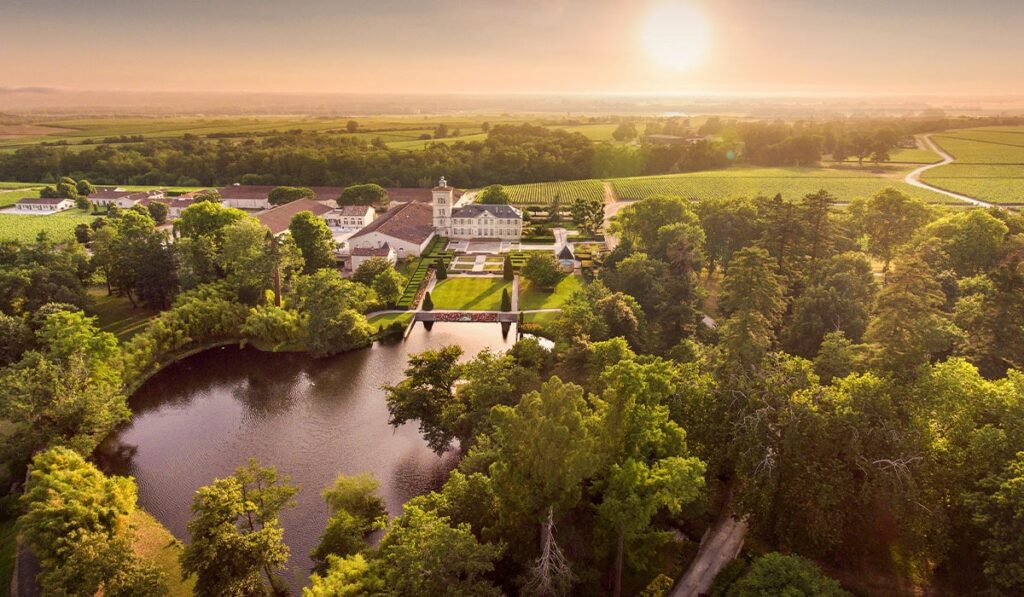
Although he has designed high-profile projects all over the world, it is often home design that proves to be the most challenging because of the many elements that must work just perfectly together. Besides responding to a client’s needs, another important aspect is responding to the context. Where is the house going to be? Designing a home for the centre of a city will require an entirely different approach than one for a country or suburban property. The aRA goal is to bring everything into harmony.
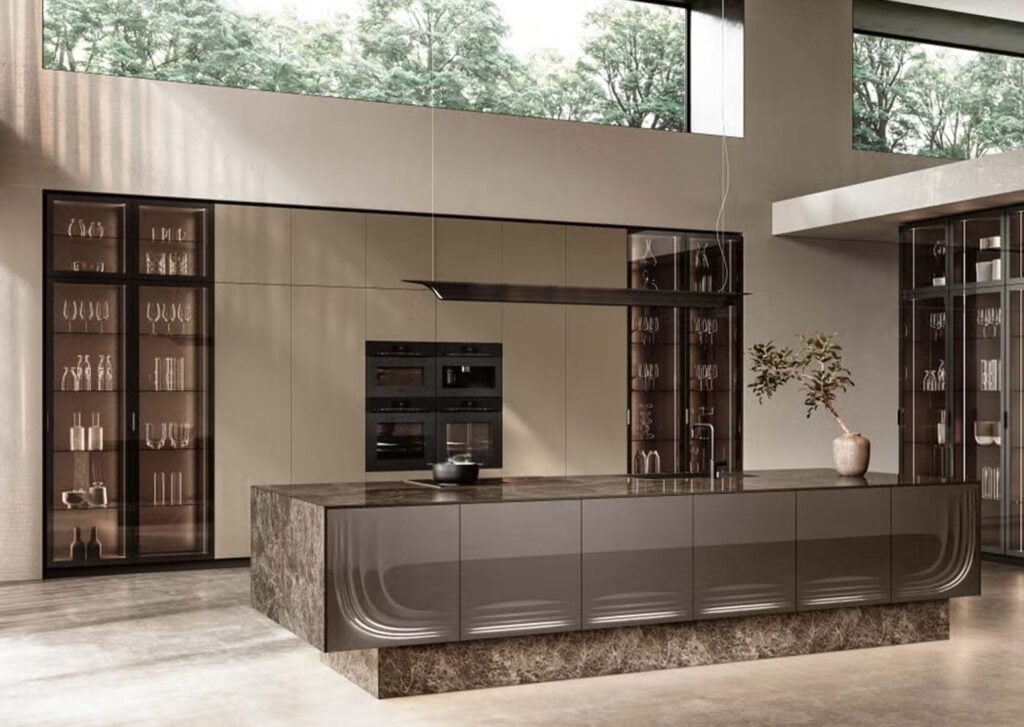
“The most difficult projects I design are houses, because you have a combination of all spaces in one entity,” says Roy. “You have to create a space for sleep — is it calm? Is it quiet? Is it comfortable? A place to work or study, a place to cook, a place for socializing. All this combination has to work perfectly together. Functionality? Yes. Form? Yes. Space? Yes. But in the end, it is how you feel comfortable in all of those spaces. The goal is to bring a comfortable, beautiful space to the owners’ life.”
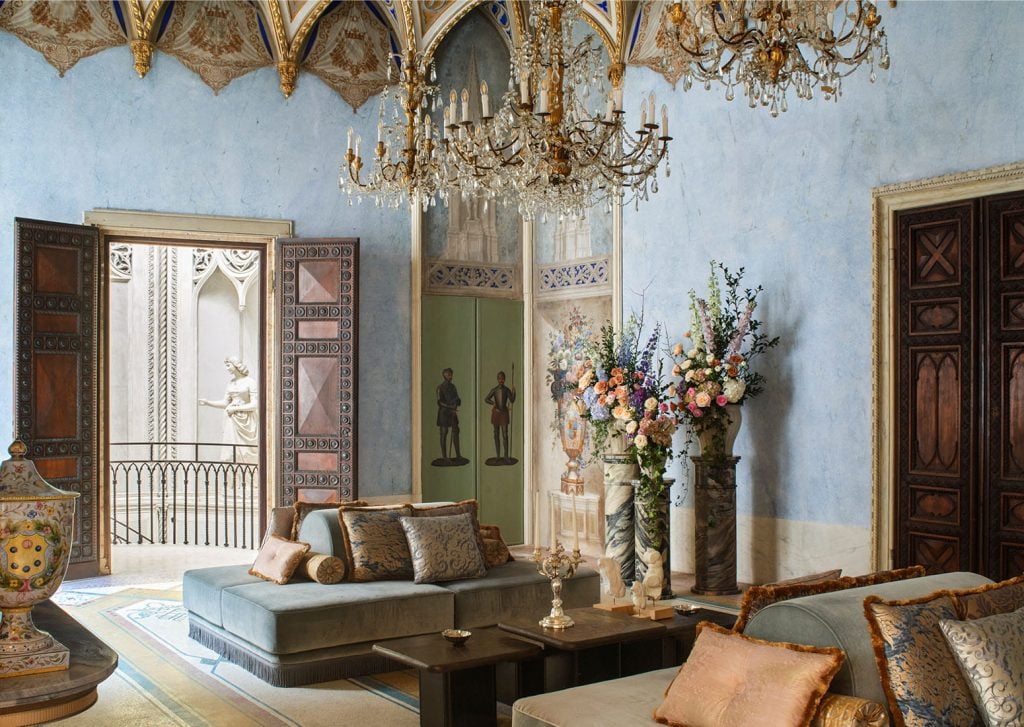
The aRA approach to materials is to be as genuine as possible, an idea the firm expresses as “honest materials.” An aluminum panel might be made to look like wood or stone, but there is nothing like the feel of the real thing. Recycled wood or stone, examples of such honest materials, can be kinder to nature, and through various processes and treatments can have a much more authentic and distinctive appearance. “With limited resources, all humans need to be very kind to the environment and nature by using more sustainable materials,” says Roy.
Those who have enjoyed success yet still aspire to more are the leaders to be admired. Despite being at the very apex of his profession, with worldwide recognition and many accolades, Roy has kept moving forward and still finds the career he has chosen always stimulating.
“It is the challenge which still excites me and makes me move on to other challenges,” he says. “Cookie-cutter design is not for me. The back- and-forth with clients is always interesting. I’m not always educating — sometimes the client educates me. Sometimes I learn something, sometimes I give something. The whole point is the learning process. The learning process is the job that I do, and that is a secret in life — and to me, is the only way to continually get better.”
We may not notice it as we move through our busy lives, but architecture and design are all around us. From our churches to our museums, our schools, public buildings, private homes or open public squares, we are exposed to creative design in every way and around every corner. Great design and architecture are enduring, outlasting all of our lives. Because of that, there is legacy contained in what great architects create. In much the same way that great music lasts for hundreds of years, great art is for the ages.
This sense of legacy is not lost on Alva Roy, who understands and appreciates the impact of his works. “One of the things I always think about, be it a monastery or a church or a public gathering space, is that these are places everyone can enjoy and use, and how they appreciate the calmness, or the peaceful space we provide for them,” says Roy. “For me, it is very important to leave something behind which people find peaceful. That is my intention and that is my end goal.”
It is clear Alva Roy and aRA Architects will be designing and creating beautiful “frozen music” for many years to come, be it a private home, commercial building, church or public gathering space, and for everyone to enjoy.
INTERVIEW BY MICHELLE ZERILLO-SOSA
Q: Your firm has a reputation for pushing the boundaries of architecture — what does “meaningful design” mean to you personally?
A:To me, meaningful design is architecture with soul — spaces that don’t just impress, but resonate. It’s not about chasing trends or creating spectacle for its own sake. It’s about intention. Meaningful design responds to the human experience — it listens to how people live, feel, and move. It balances beauty with purpose, form with function. Whether it’s a home, a mid-rise, or a commercial space, I strive to create work that speaks quietly but deeply, with clarity, honesty and emotion. When a space makes someone feel something — a sense of belonging, calm, inspiration — that’s when it becomes meaningful. That’s when architecture transcends structure and becomes memory.
Q: With over 131 completed projects globally, how do you approach executing your creative vision while adapting to different cultural environments?
A: Design should never exist in isolation — it must listen, learn and respond to its environment. When working across different cultures, I begin by observing and understanding: the way people move through space, how they gather, their values, their climate, their history. My creative vision is always rooted in a strong conceptual foundation, but it’s flexible enough to absorb cultural nuance. I don’t believe in imposing a singular style everywhere. Instead, I aim to create architecture that feels authentic to its place and people — while still carrying my signature clarity, material honesty, and spatial poetry. Whether in the Middle East, Europe, or North America, my goal is always to find that delicate balance between identity and innovation — so the project not only functions well but feels deeply connected to its cultural context.
Q: Describe for us your version of the sweet life — what is your dolce vita?
A: For me, la dolce vita isn’t defined by what we possess — it’s about presence, not possessions. The sweet life lives in the quiet moments: the joy of creating something meaningful, the calm after a day of building, the simple pleasure of being fully present. It’s found in the light that dances across clean architectural lines, in the balance of form and function, in a well-composed space that invites you to just be. It’s in laughter shared over coffee, or in the silence of staying still within a peaceful room you’ve thoughtfully shaped. La dolce vita is not about “to have” but “to be.” To be calm, to be grateful, to be surrounded by beloved people — that’s the true sweetness of life.