
Discover one of rap’s most daring Canadian voices — whose violent origin story became inspiration and authenticity became art — in this exclusive Dolce interview.
Through my work, I’ve learned that everyone is living a unique struggle that can either define or derail them. I’ve been fortunate to meet some rare individuals who transform that struggle into artistic purpose, shaping resilience, meaning, and creativity into a lasting life’s work.
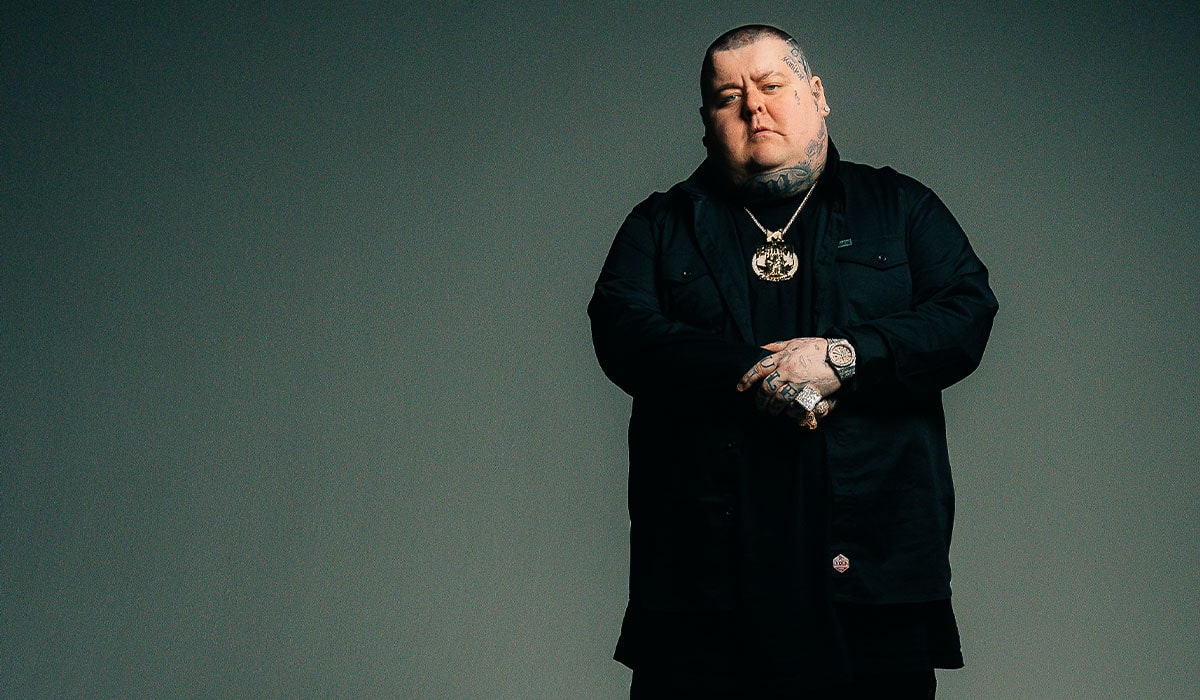
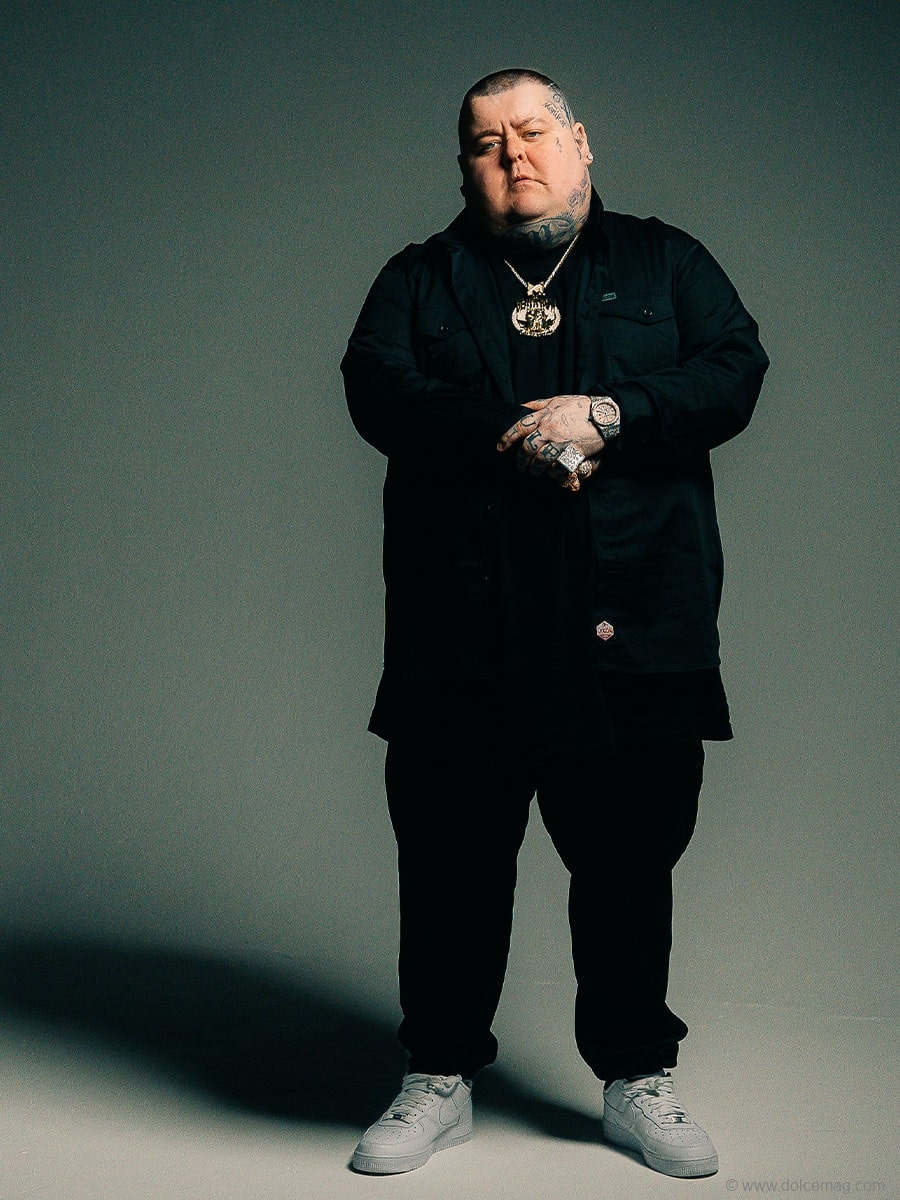
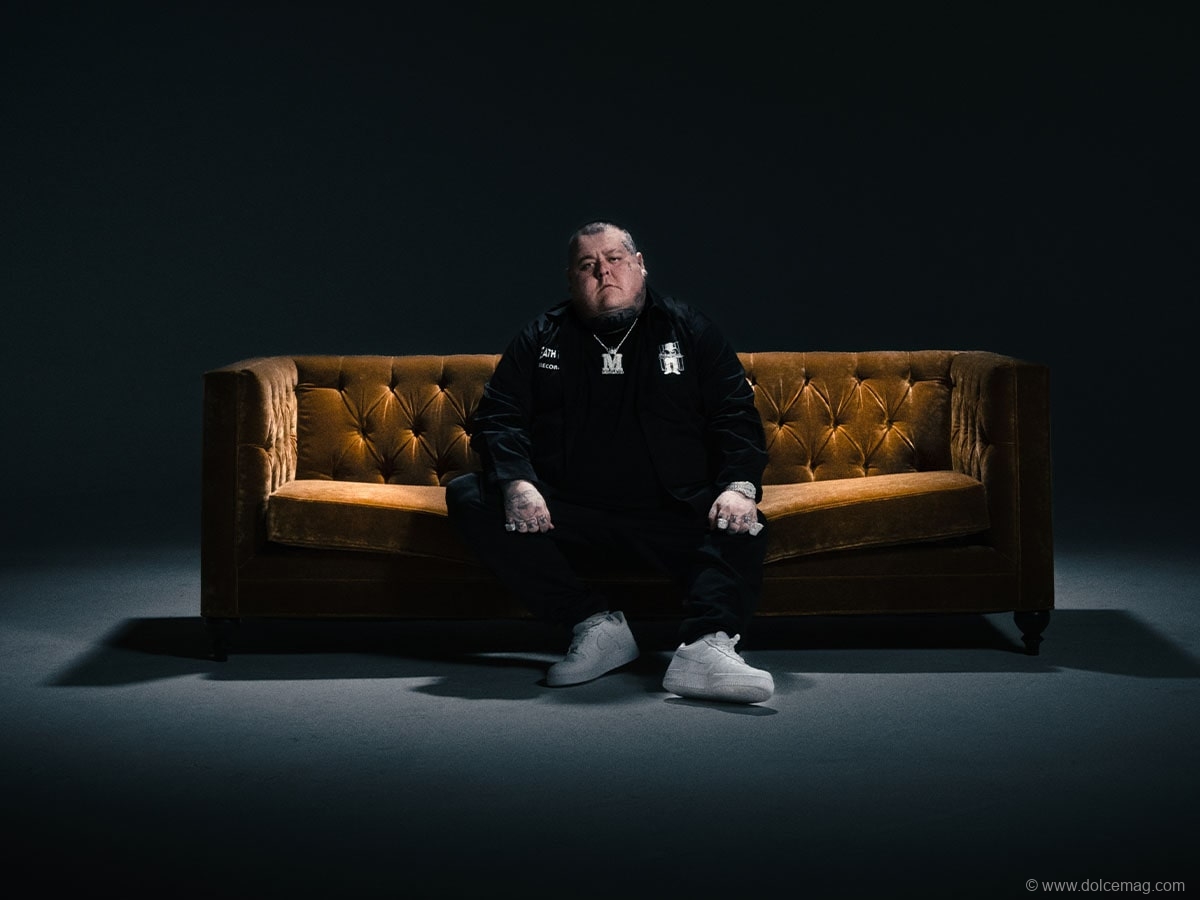
When I sat across from Cole Stevenson, better known as Merkules, I was struck by his appearance, which would undoubtedly leave an impression on anybody. Tattoos covered his body and he had a serious, sharp look in his eyes and a rigid scar across his face that made me say to myself, “Okay, this guy has been around the block.” But from the moment we greeted each other he was extremely cordial, down to earth, and open to sharing his story.
“My instinct was to just close my eyes and squeeze them as tightly shut as I could. And then he swung down on me with the machete, hit me. After that, everything was a blur,” said Merkules, as he points to that same rigid scar.
In a recent interview with Dolce, Merkules shared his passion for music, his troubling childhood, and his relentless pursuit to remind himself: I am who I am, and I wouldn’t change a thing, but giving up is never an option.
@merkules
Q: Tell me a little bit about your childhood and what it was like growing up in British Columbia.
A: For the most part, I had a pretty blessed childhood. As far as the family department goes, my mom and dad always just wanted the best for me. I moved to a place called Surrey when I was very young. When we moved there, I don’t think my parents realized how easy it was for a kid like me to get wrapped up in the wrong crowd. But I had a great upbringing in that sense. I feel like I chose to rebel, whereas some kids didn’t have a choice.
My parents were always great and raised me as best they could, but I’m also an only child. A lot of my friends were kind of raised by my parents, too, because they grew up in broken homes. My mom always had a couch for anybody that needed one, a hot meal, laundry — whatever. There was not a time when we weren’t having two or three friends living with us at some point.
Q: Can you recall the moment when you knew you wanted to pursue music as a professional career?
A: I always knew that music was what I wanted to do since I was very young, probably six or seven years old. I had already made that decision. I was always drawn to music and listened to whatever my dad was playing in the house. But the very specific moment was when my cousin Scott — he was older than me — would bring me into his room where he had posters of different rappers. He’d play me uncensored albums, and I just thought it was so cool.
I embraced the culture entirely, from the way that I dressed to everything I did, to the point where my parents were very worried when I went to school with a bandana, an upside-down visor, and pants three sizes too big.
The LimeWire and Napster era was big for me, too. It felt so rewarding downloading these albums I was eager to hear. When they finished downloading, it felt like Christmas every day. Those were the key moments when I knew this was what I wanted to do.
Q: Music is a universal language. It can trigger emotional connections and memories. Interestingly, you were able to identify that so early as an artist.
A: Totally. There are certain records or songs that bring me right back to a specific moment. It’s also cool knowing that now my music does that for other people. It feels like a superpower.
Q: Your music has been described as “hangover rap”— songs that feel reflective, isolated and introspective. How did that artistic voice develop?
A: I’ve got to give Wikipedia credit for coming up with that term. At first, I thought it was funny, then it kind of became a running joke. Over time, I embraced it because it’s true. I’m open about being an addict and an alcoholic for most of my life, and that it’s something I’ve struggled with for a long time.
My music is therapeutic. It’s my trauma release. When I put it out into the world, it helps other people, too. The downside is that people sometimes think I’ve found a cheat code to sobriety or healing. But I’m still struggling. I’m still human. All I’m really doing is being vulnerable and honest.
Especially as men, we’re taught to bury things and put on a tough exterior, but more people deal with this than we realize. It could be addiction, mental health, or PTSD. So, if I can be someone who says, “It’s okay to talk,” then that’s important to me.
Q: What is the biggest day-to-day challenge you face mentally or emotionally?
A: Every day is different. Some days I’m unhappy with how I look physically. I’m a bigger dude, and that’s something I’ve always struggled with. Other days, it’s addiction voices that feel like they’ll never go away.
But at the end of the day, if life were perfect, we wouldn’t learn anything. All these hardships are valuable. Being an anxious and overthinking person sometimes protects me from making mistakes. So it’s a double-edged sword.
Q: You survived a violent attack at age 16. How did that experience shape you and your music?
A: There’s probably still a little untreated PTSD, but I don’t even view it as negative anymore. I have a record called Scars, where I thank the people who did it, because as crazy as it sounds, it taught me so many valuable lessons. I truly believe it saved me from the street life I was stuck in.
The day it happened, it was my first time in a real studio. I had recorded a song with an artist I looked up to. I burned it on a CD and brought it to a house party because I wanted the older guys to hear it. Later that night, while walking home with my friend Jordan and both our girlfriends at the time, we got into an altercation with a guy who almost hit us with his car. He left and came back with more people who boxed us in.
They attacked us with weapons. I was hit in the face with a machete and stabbed with a switchblade. I remember hearing the girls screaming. I remember one of the attackers saying, “Is he done?” and another one replied, “One more.” My instinct was to just close my eyes and squeeze them as tightly shut as I could. And then he swung down on me with the machete, hit me. After that, everything was a blur.
At the time, I was into stealing cars, petty crime, robberies — things I shouldn’t have been doing. That incident was the wake-up call I desperately needed. After that, I turned my life around and leaned into music instead of the streets.
Q: When you were writing Scars, was it a form of healing or a responsibility?
A: It was a combination of things, but mostly it was a responsibility to myself. I had spent so long pretending to be someone I wasn’t. The song was an honest take on what happened and who I really am.
With trauma, it sits inside you and tries to escape in different ways. I chose art. At first, I felt emotionless writing it because I was numb, but once it came out and people learned the truth, it became something real. If I could help another kid who thought he was a gangster realize that lifestyle isn’t it, then that meant something too.
Q: Run me through the moment you connected with Death Row Records and Snoop Dogg.
A: My cousin had a Snoop Dogg poster on his wall, and then I had one on mine. So to have a relationship with Snoop now is a full-circle moment. He’s super cool and genuinely cares about his people.
A lot of people don’t know that when Snoop bought Death Row back, he didn’t just sign me on paper. It’s more like an umbrella and a cosign. He told me he trusted me to be the face of Death Row in Canada.
There’s a guy from London, Ontario, named Kevin who has worked with Snoop for over 20 years. He found me on Instagram, and we kept in touch. Every time Snoop was in town, he’d get me a ticket. When Snoop bought Death Row, he saw my freestyle on Sway in the Morning and said, “This is exactly what I’m looking for.”
I dropped my first single through his YouTube channel and then went on my first arena tour across Canada with him — 20,000 people a night. It was unreal. Death Row has been very good to me. I’ve got nothing but respect for that family, and I’m determined to make Snoop proud.
Q: Representing Death Row in Canada is a huge honour and responsibility.
A: Absolutely. Snoop is one of the most recognizable and original rappers ever, but he’s also an entrepreneur and businessman. So being trusted in that way is truly an honour. Death Row Canada forever.