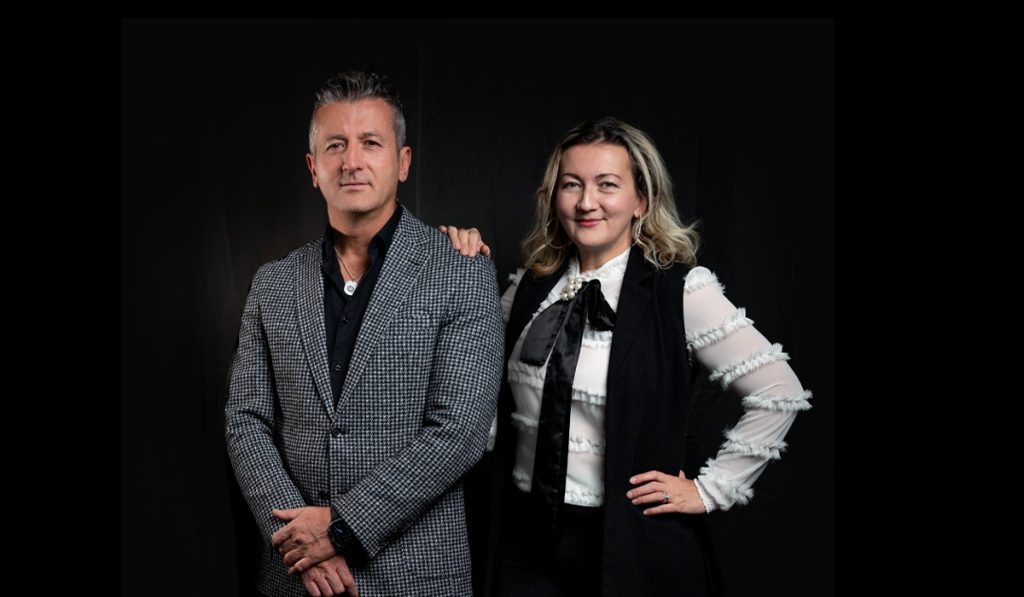
Sandra Ainsley sits down with Tomáš Hlavička, recognized as the pioneer of fusing sheets of silver and gold foils between layers of glass, for an exclusive interview.
Q: Tomáš, you originally trained as an architect. How did you transition from architecture into art?
A: Yes, I studied architecture in Prague from 1969 to 1975. During that time, I became increasingly interested in design, structure, and how forms can shape space. In 1976, I started working with my father-in-law, Pavel Hlava, who is a prominent glass artist. Through that collaboration, I learned glass-cutting, polishing, and other techniques, which gradually shifted my focus from pure architecture to working with glass.
Q: Your work is very distinctive. Can you describe your process or technique?
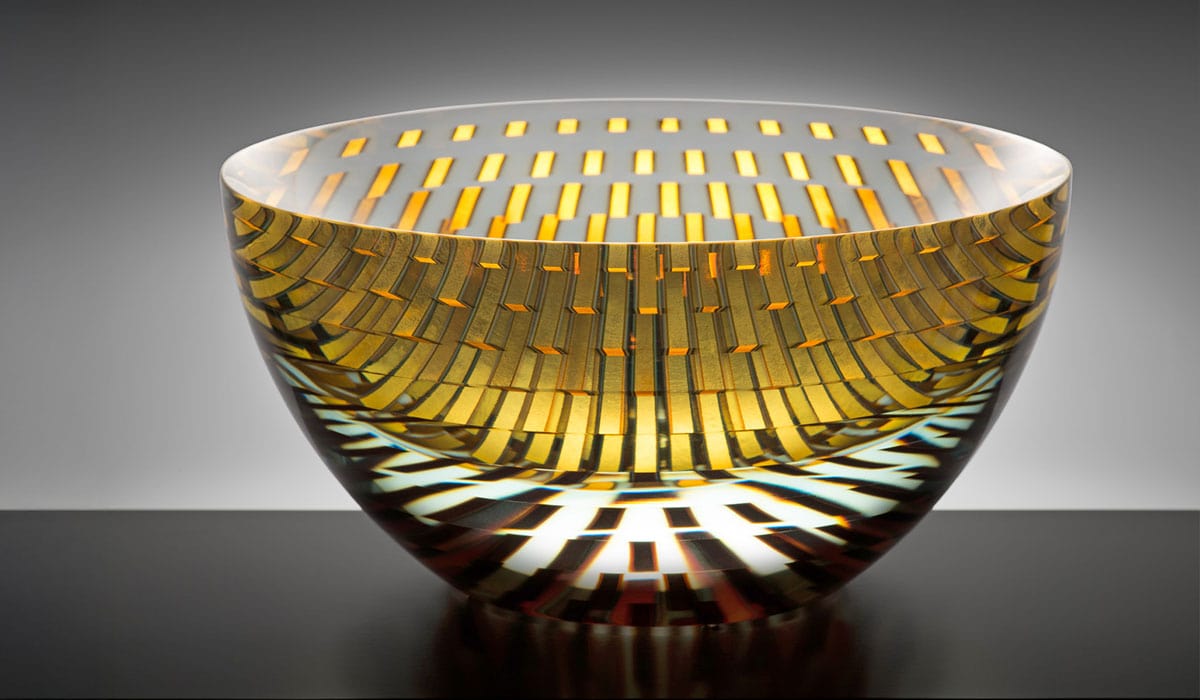
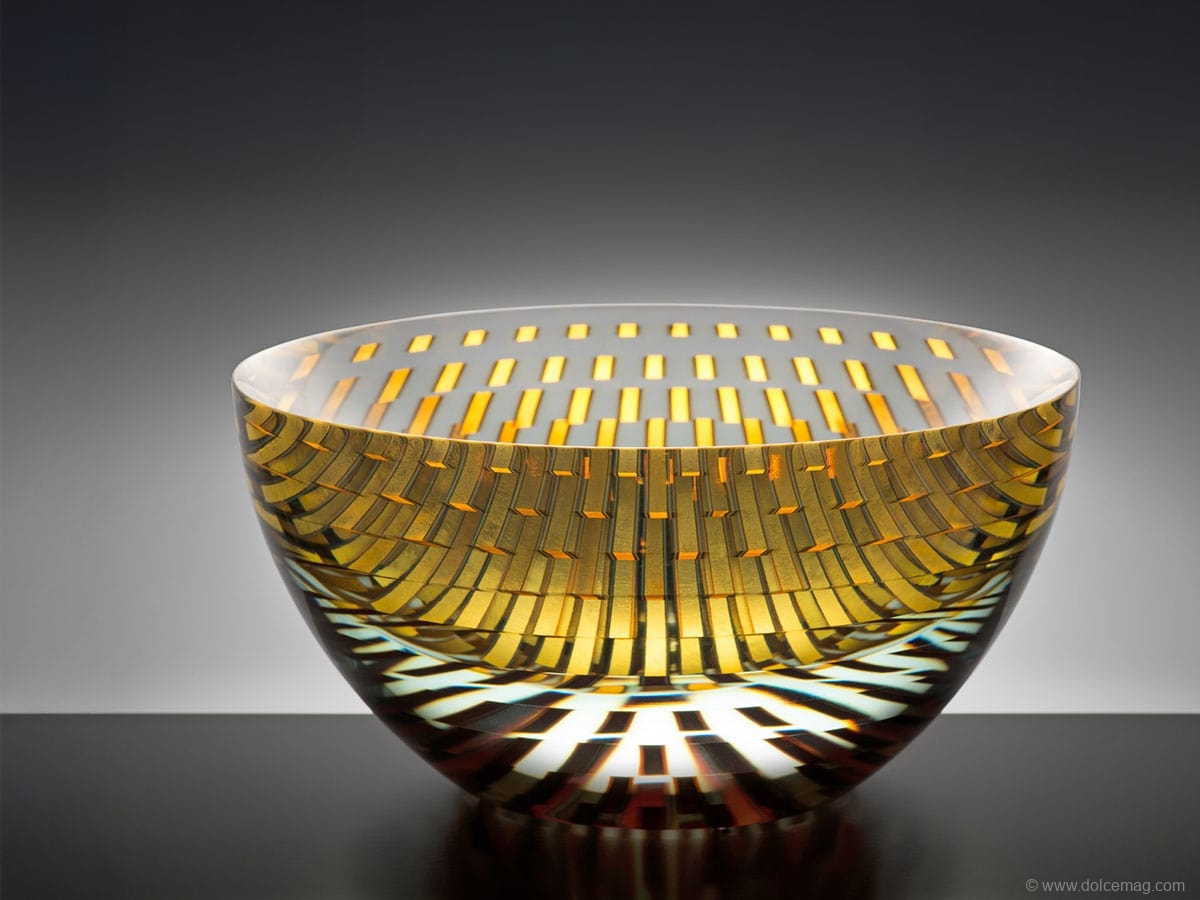
A: My process is quite deliberate. I work with float glass — stacking multiple flat glass plates. Between these plates, I insert strips or foils of precious metals like silver, gold, and sometimes copper. Then I fuse the entire stack in a kiln, allowing chemical interactions between the glass and the metal. Afterward, the piece is cold-worked: ground, polished, refined, so that the internal structure becomes visible, and the resulting optical effects emerge.
Q: Your work often plays with light in a very subtle way. How important is light to your artistic vision?
A: Light is absolutely central. Because of the way the layers of glass and metal interact, the appearance of a piece changes dramatically depending on the angle and the light source. That variability — that constant, shifting microcosm — is one of the most compelling aspects of working with this material.
Q: What inspires your internal textures and the patterns that appear in your work?
A: Nature is a constant source of inspiration. Even in a very minimalistic glass object, I want there to be a sense of natural movement. Sometimes I see waving grass, fallen autumn leaves, or organic, biological shapes shapes in my work. Also, my architectural background plays a role: I think in structures, volumes, and disciplined lines, which helps me plan how to layer the glass and metal.
Q: Your daughter, Petra Hrebacková, is also a glass artist. What has it been like to watch her carve out her own creative path?
A: It brings me great joy to see Petra creating and pursuing her own direction. Every artist needs to discover a personal language and she has truly done that. I appreciate watching her explore ideas in ways that differ from my own — this independence is essential. It’s wonderful that we can share a connection through art, while her work remains entirely and uniquely hers.
INTERVIEW BY SANDRA AINSLEY