An innovative Maison inspired by nature, wine and heritage.
In the village of Mareuil-sur-Aÿ, surrounded by Champagne’s sunlit Grand Cru vineyards, Maison Billecart-Salmon has been perfecting the art of its region’s eponymous bubbly for over two centuries. Founded in 1818 through the marriage of Nicolas François Billecart and Elisabeth Salmon, the Maison remains one of the few Champagne houses still independently owned and operated by its founding family. Seven generations in, it is still guided by the same conviction: prioritize quality, pursue excellence and let the terroir speak through each sip.
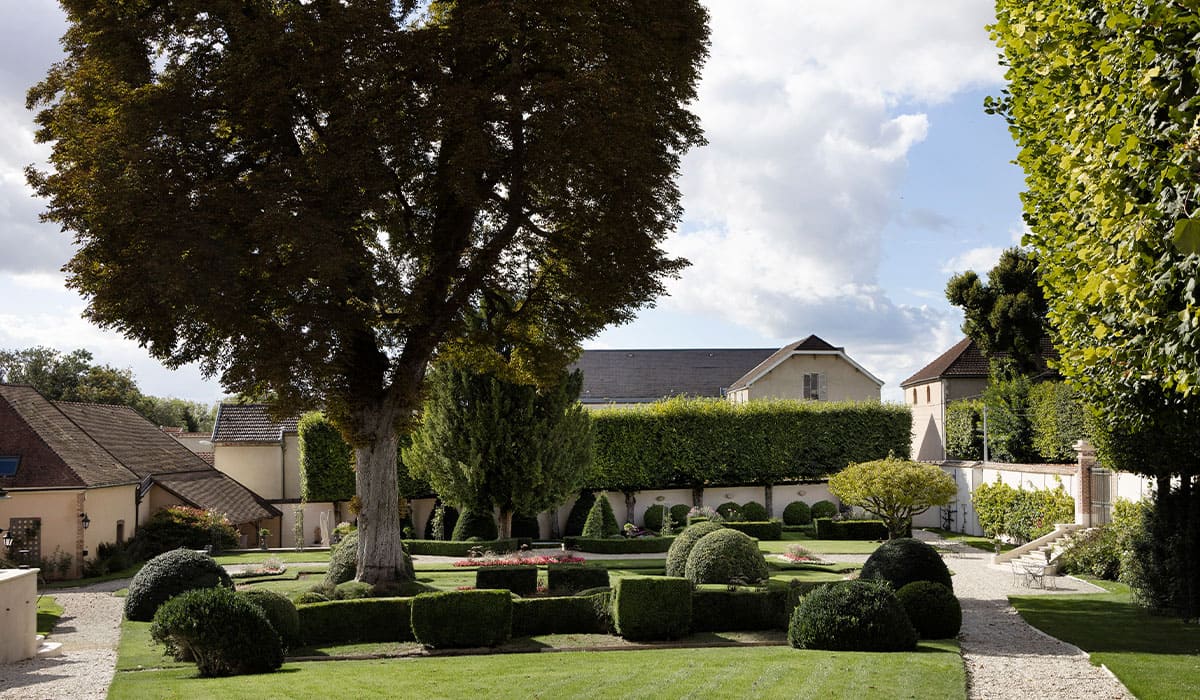
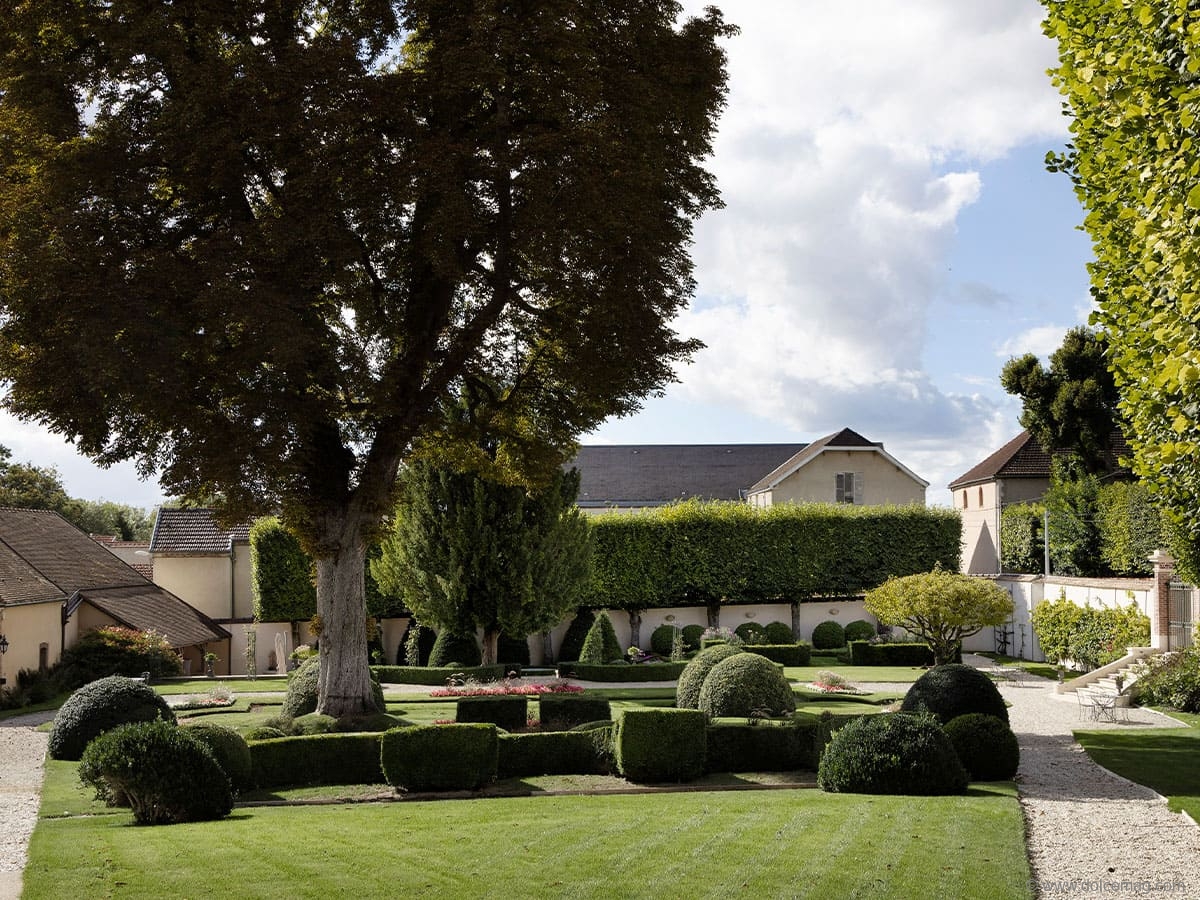
As arriving guests drive along the tree-lined roads to its entrance, they are greeted by the heady scent of tilled earth and ripening vines. In the Maison’s garden, the 100-year-old horse chestnut tree scattering sun-dappled light across the lawn has been a silent witness to generations of winemakers. If the limestone walls of Billecart-Salmon could speak, they’d say that they’ve been privy to priceless winemaking knowledge that has been passed down through each family member for two centuries. The grounds include historic cellars and working vineyards that reflect both tradition and a commitment to sustainability. Here you won’t find flashy luxury but rather a deliberate, detail-oriented approach to every part of the Champagne-making process. It’s this quiet consistency and refusal to compromise that sets Billecart-Salmon apart.
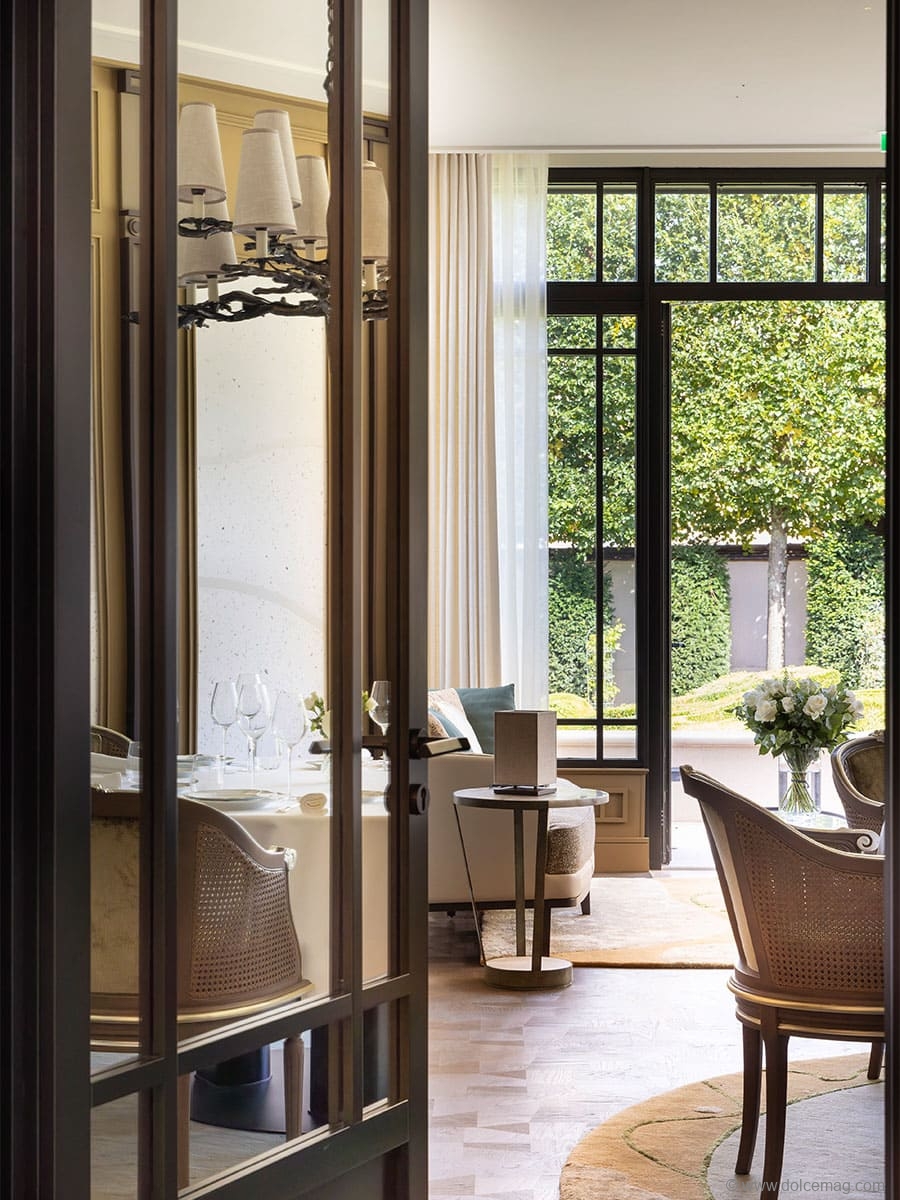
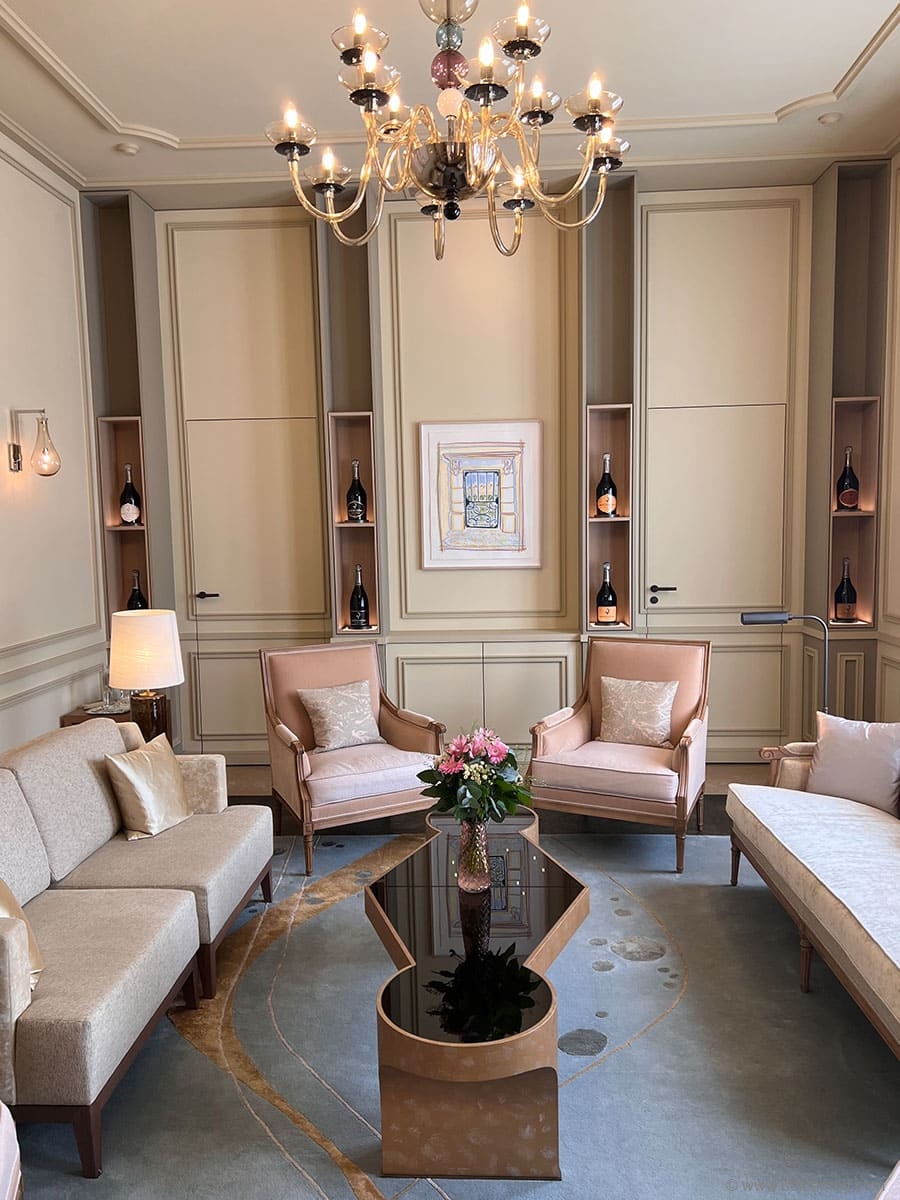
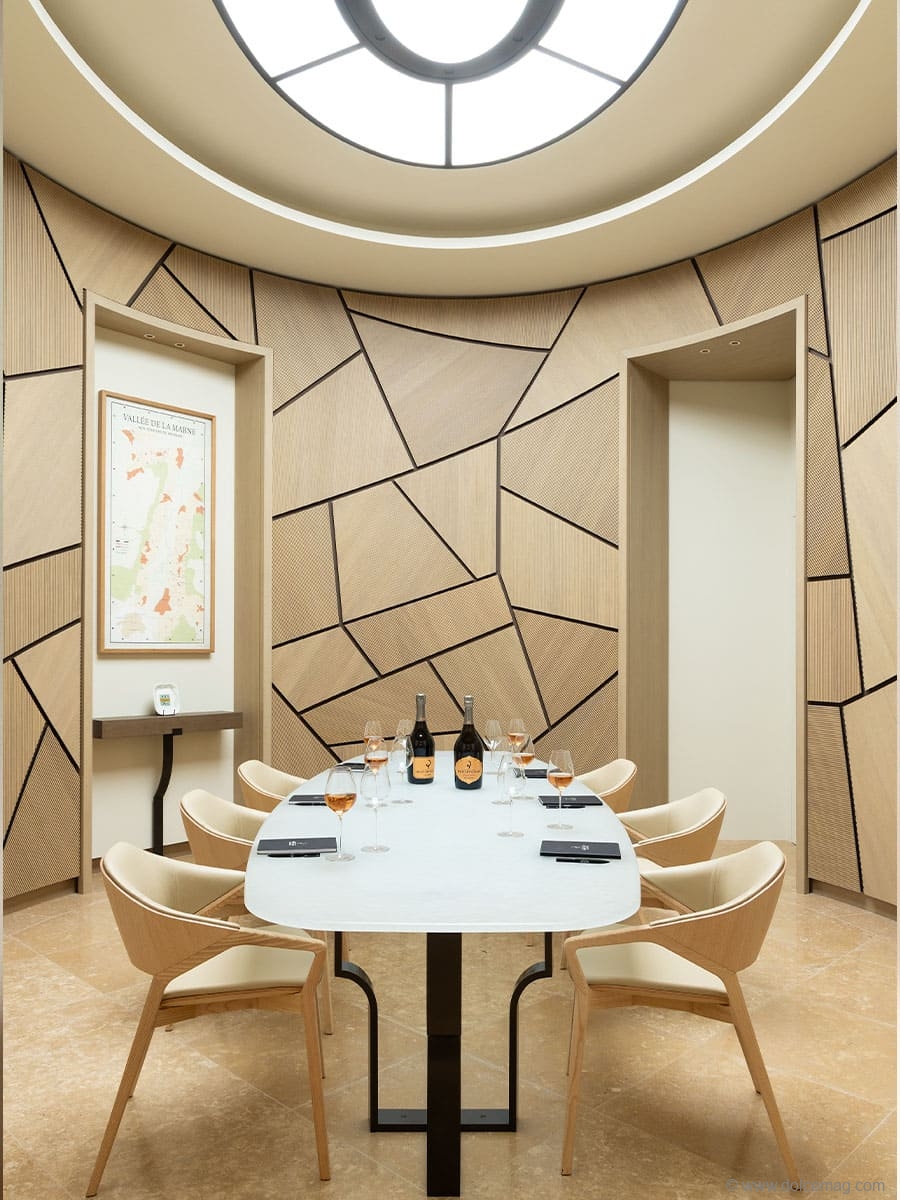
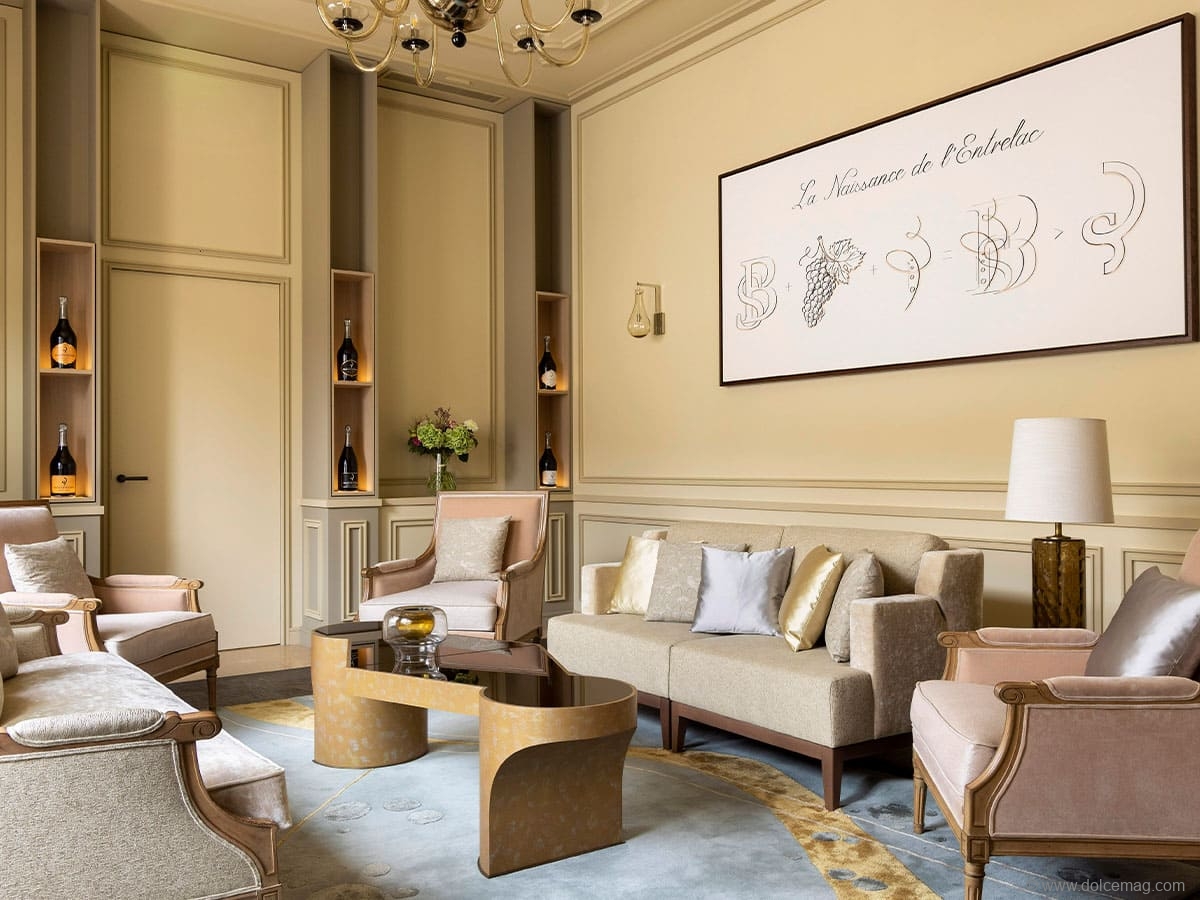
This ethos shines through in Billecart-Salmon’s newly unveiled reception spaces, a series of guest rooms and tasting salons that blur the lines between art installation, design showcase, and sensory journey. Brought to life by French- American interior designer Elliott Barnes and architect Vincent Fierfort, the spaces are rooted in the textures of the terroir. The walls are lined with custom pomace paper made from grape skins harvested in Le Clos Saint-Hilaire, there’s a coffee table built from reclaimed vine branches, and the gleaming glass that tops its tables is from recycled Champagne bottles.
“ITS QUIET CONSISTENCY AND REFUSAL TO COMPROMISE SETS BILLECART- SALMON APART.”
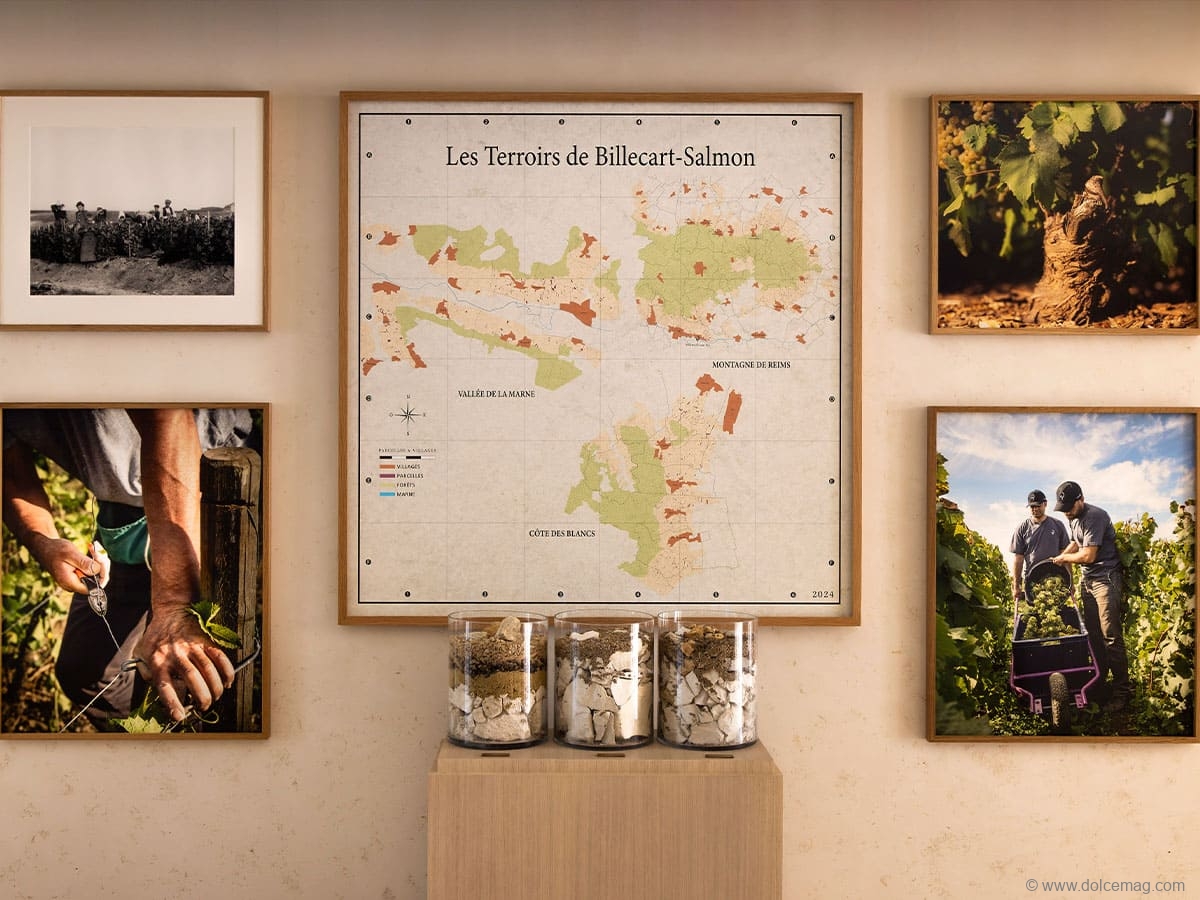
These sustainable elements are only part of the story. Just steps away, 100 hectares of estate- grown vines, alongside the additional 200 hectares sourced from trusted growers, are tended daily with deep respect for nature’s rhythms. Billecart-Salmon, where workhorses and sheep manure now replace tractors and chemical treatments, was ahead of its time in returning to ancestral winemaking practices at Le Clos Saint-Hilaire. Beyond fostering a flourishing biodiversity, the benefits of these practices can be tasted in each bottle.
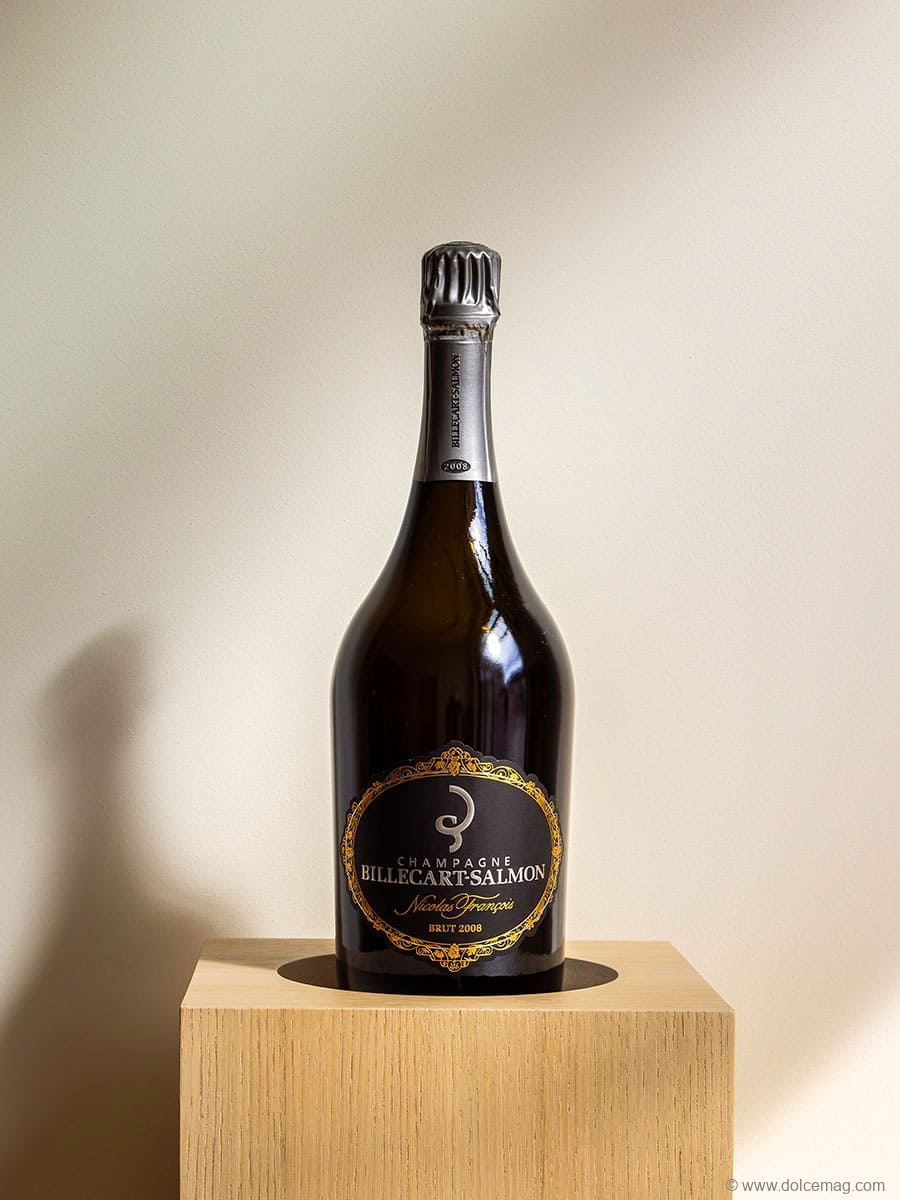
The wine here is fermented at cooler temperatures than usual, which help bring out light, fresh flavours. Instead of mixing everything together, each batch of grapes is handled separately to allow the unique qualities of each vineyard and grape variety to shine through. That’s what gives Billecart-Salmon Champagnes their clean, elegant taste. The aging process happens in a quiet part of the estate filled with more than 400 oak barrels. This peaceful space, called the chai à foudres, or barrel cellar, is where the wine slowly develops its character over time. Nothing is rushed. The team knows that great Champagne takes patience, sometimes even years. In the case of their rare Cuvée Le Clos Saint-Hilaire, made from a single vineyard and released in small, numbered batches, that patience yields something truly exceptional.
To sip a glass of Billecart-Salmon wine is to experience more than just la méthode champenoise (“the Champagne method,” in which a secondary fermentation is key) — it is to taste a family’s devotion to land, lineage and legacy. It is to encounter Champagne not as an industry but as an art form. And now, thanks to the Maison’s newly imagined reception area, that experience begins the moment you step through the doors.
In a world that so often equates luxury with speed, Billecart-Salmon offers something else: the simple glamour of time well spent, of slowly stepping through picturesque vineyards, of pairing a sip of artful bubbly with warm sunshine on your face. Here, Champagne is poured not to impress, but to savour.
JOURNEYED BY MICHELLE ZERILLO-SOSA