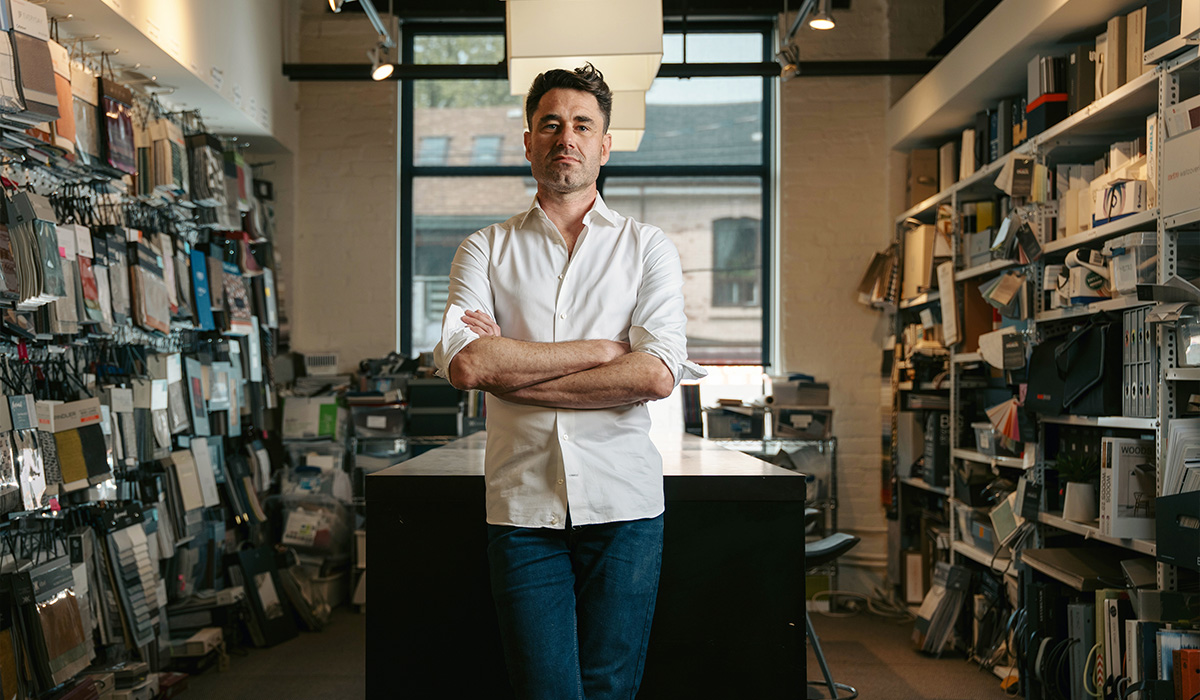
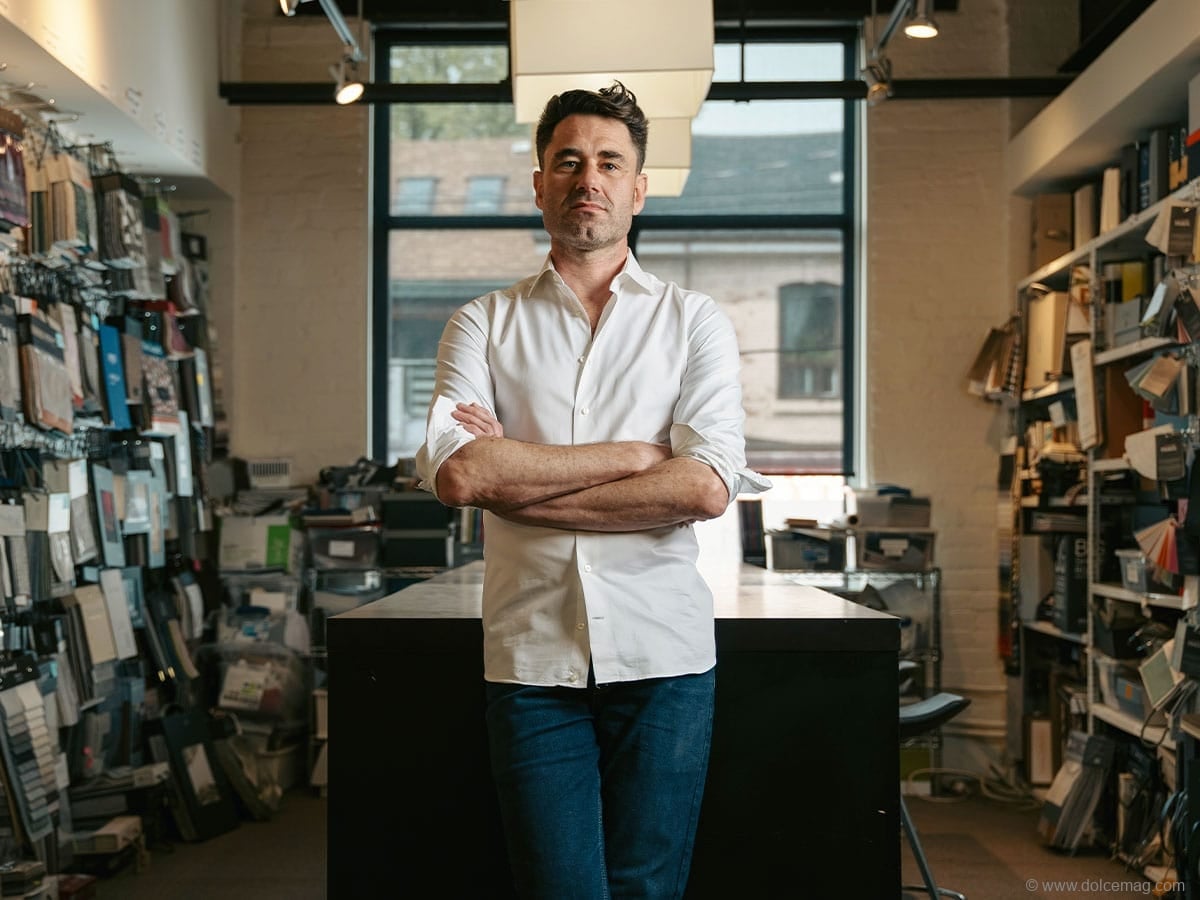
A conversation with Neil Jonsohn about process, partnership and the power of passion.
For Neil Jonsohn, good design begins with listening. As principal of U31, a Toronto-based interior design studio known for both commercial and residential work, Jonsohn approaches every project by asking the right questions: What do clients actually need? How do they live? And what would it mean for them to feel truly at home?
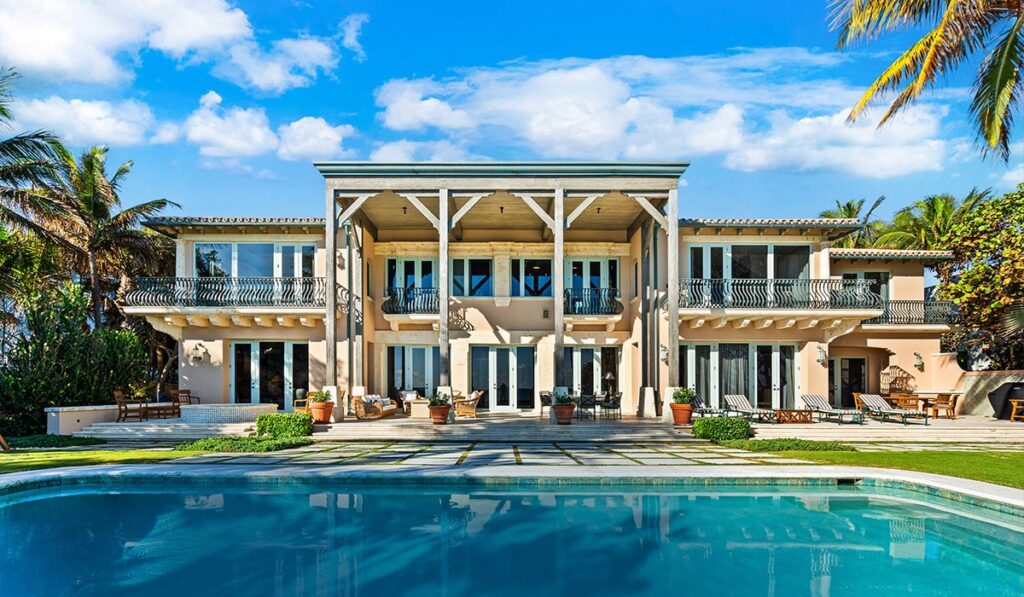
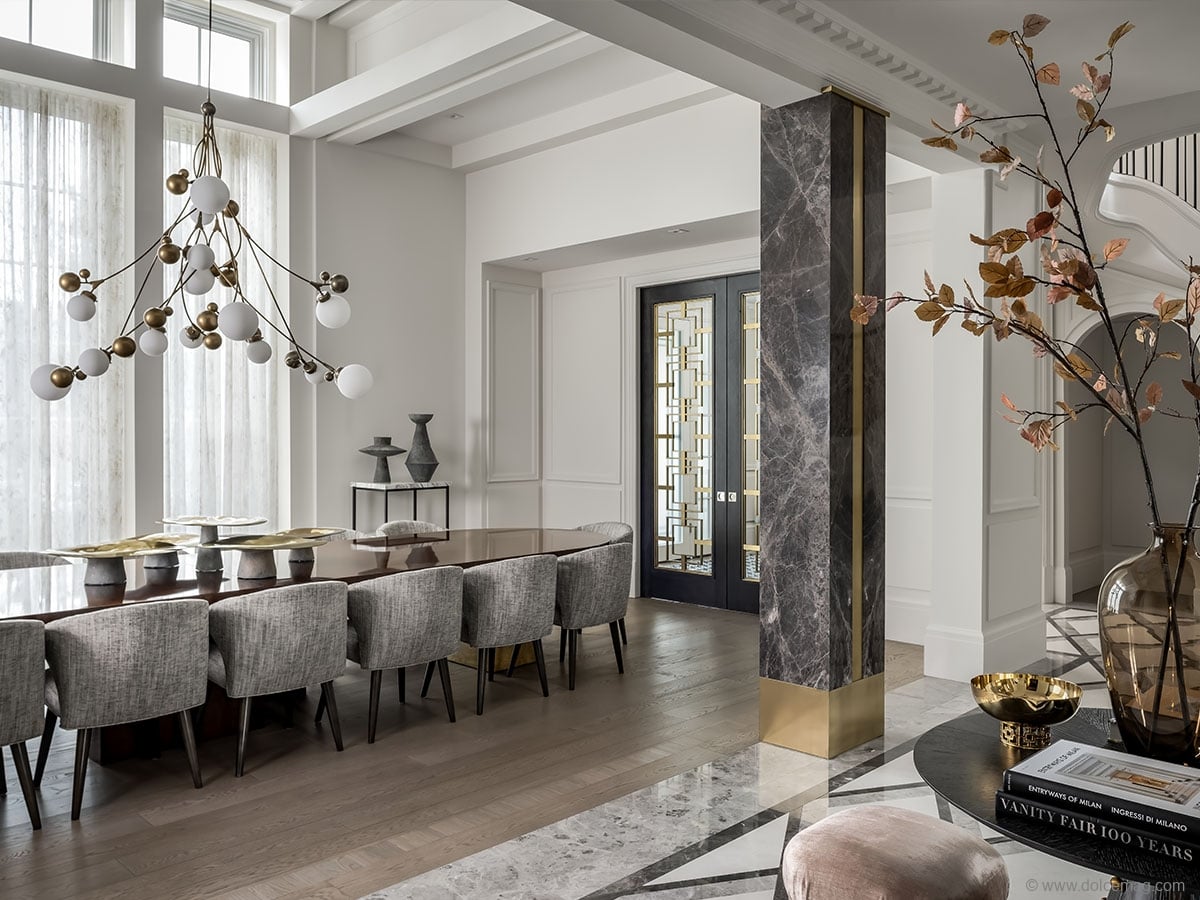
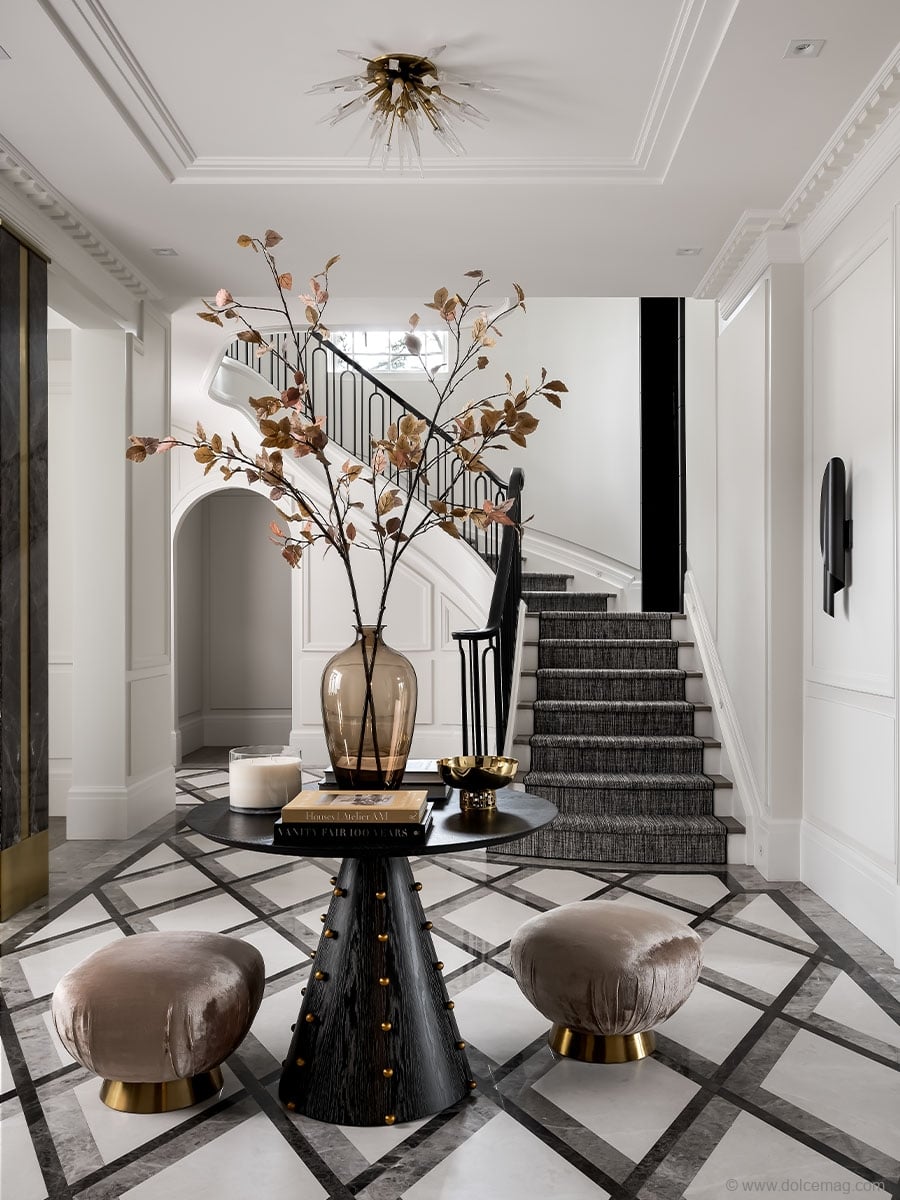
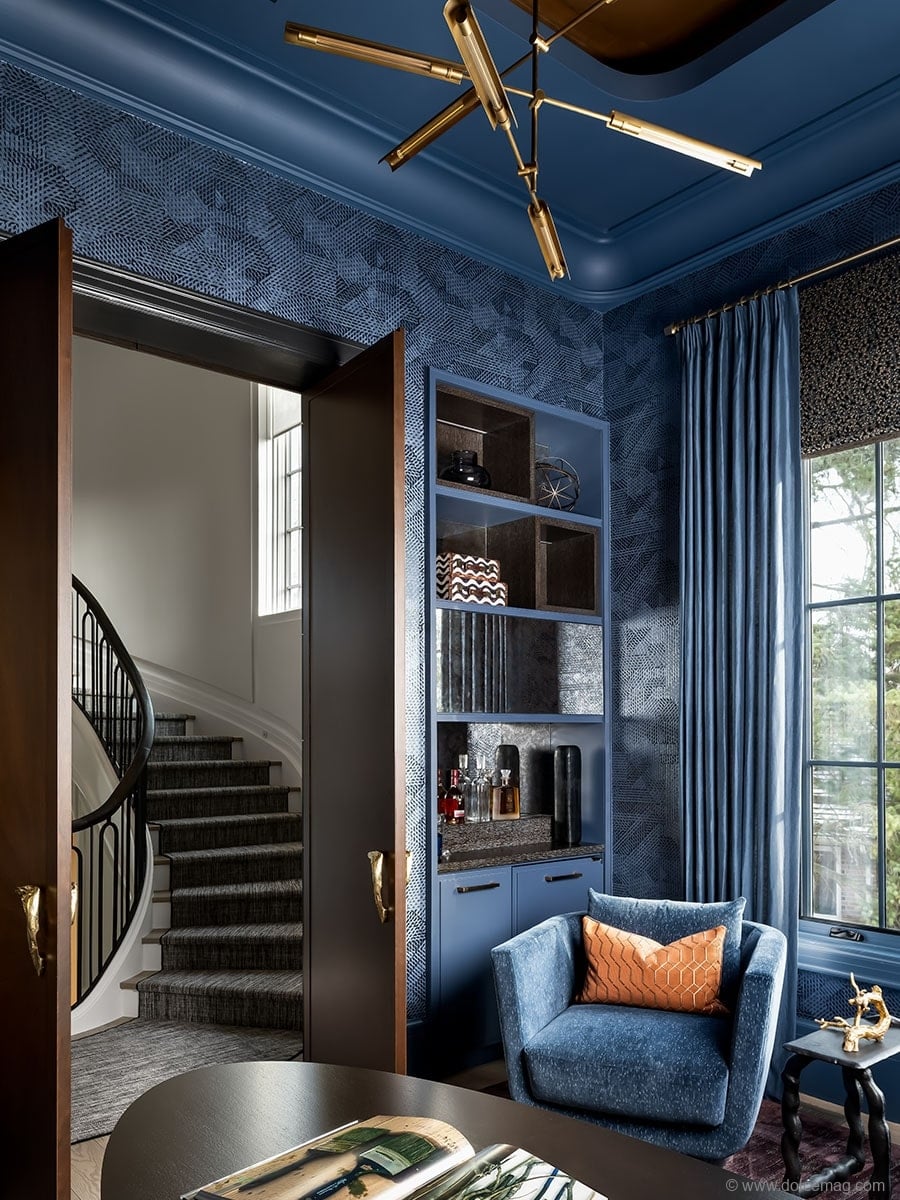
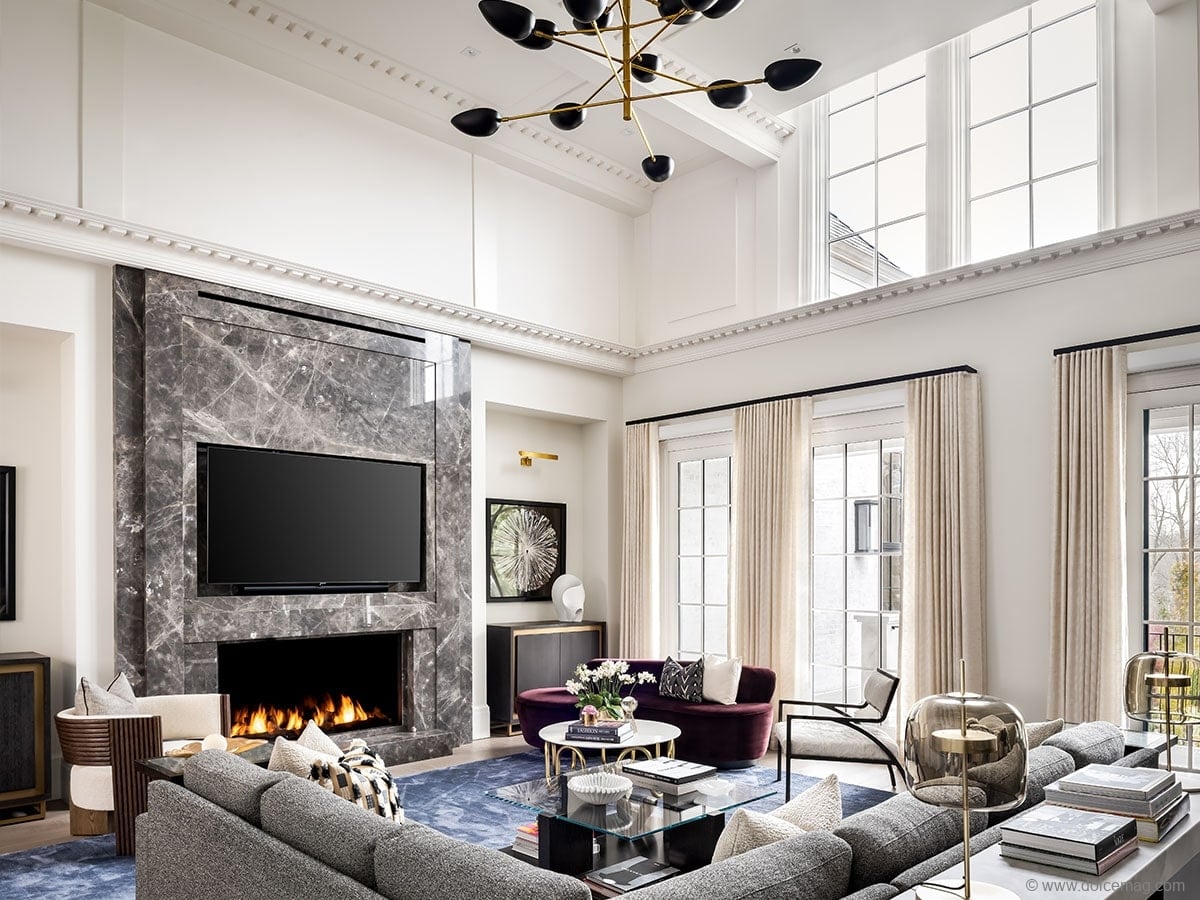
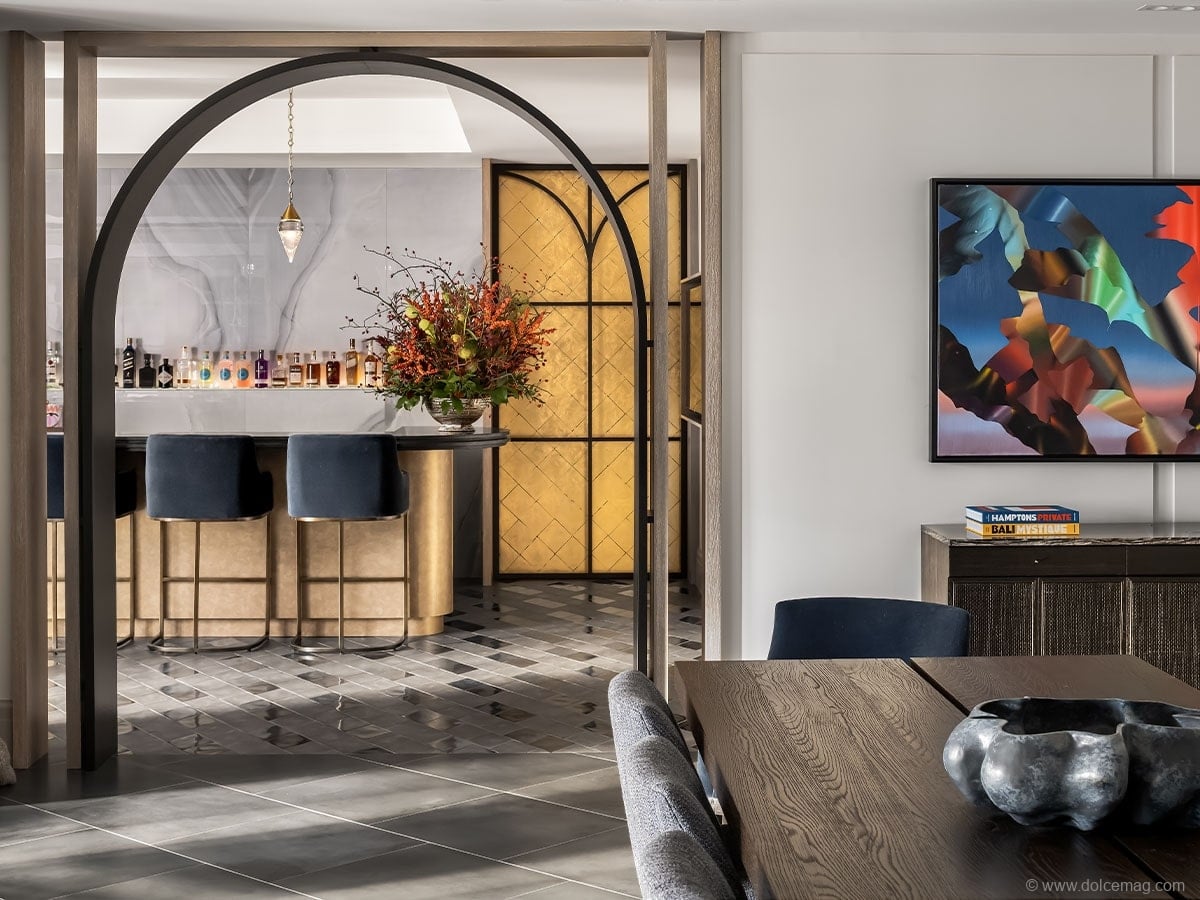
The Dream Abode project, completed for repeat clients and situated on a sloped ravine lot, was built around those questions. From the very beginning, Jonsohn and his team worked closely with the architect and builder to shape the entire experience. There was no pre-set floor plan, no handed-down design. U31 helped define the structure, the layout and the emotional tone of the home.
“The site felt almost like a fairy tale,” Jonsohn explains. “It made sense to create a layout that felt like a journey. Instead of a centre hall, you enter at one end of the house and walk through it. The spaces reveal themselves slowly.”
That idea of slow discovery informed everything. The house begins in a modest foyer before opening into a double-height stairwell. From there, each room leads to the next with clarity and calm. The transitions are intentional. Materials repeat in subtle ways. There are no harsh moments. Instead, the layout guides you through the house like a well-paced conversation.
“You don’t want everything to hit at once,” he says. “It is like jewelry. If you wear too much, none of it stands out. Design is the same — you need focus.”
Working with returning clients allowed Jonsohn to build on an existing relationship. He already knew how the family moved through space, what mattered to them and what did not. But even then, the process remained collaborative and personal.
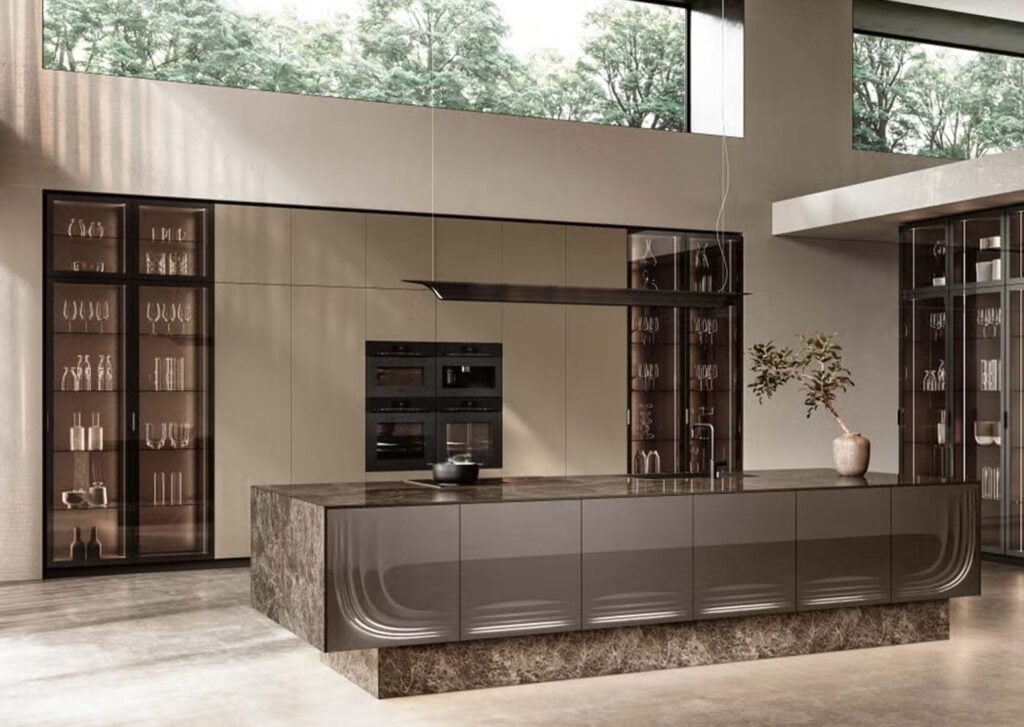
“I always try to visit clients in their current home,” he says. “You learn how they live — if they cook, if they host, if they hate clutter. That shapes everything.” In the Dream Abode, that meant designing a kitchen that looked elegant but worked for the way the family used it. It meant making adjustments as they went, reworking ideas and staying open to feedback.
“We start with a general plan but we refine it constantly,” Jonsohn says. “You cannot know everything about someone from one meeting — it takes time.”
There is a sense of formality to the Dream Abode, but also warmth. It is not minimal, but it is controlled. The house balances structure with softness. Details repeat, but never in the same way. “It is a family home,” he says. “It needed to have personality but not feel chaotic.”
One of the unique aspects of the project was the early integration of design, architecture and construction. Jonsohn credits that dynamic for the home’s cohesive feel. “We were involved from the first sketch to the final spoon,” he says. “That kind of collaboration is rare. It makes a huge difference.”
That collaborative energy also extends to his team. U31 has a wide range of designers, some who have been with the firm for over 20 years. The diversity of thought, Jonsohn explains, helps the studio remain agile. They work across styles and sectors, from sleek condo lobbies to richly layered private residences.
“I am not designing for myself,” he says. “I am designing for someone else — It has to reflect them. I still need to be proud of the work, but it is not my home.”
What defines U31, according to Jonsohn, is its commitment to process. The team cares about how things work. They pay attention to craft and they never stop learning. Jonsohn regularly visits job sites, speaks with tradespeople and asks why something can or cannot be done. That curiosity, he says, keeps the work honest.
When asked what makes a design successful, he points to flexibility. “You need vision, but you also need to adapt,” he says. “The world on paper is perfect, but construction is real life — there are delays, limits, new discoveries. If you cannot adjust, the whole thing falls apart.”
And while U31 has won industry recognition for its work, Jonsohn remains focused on the human side. “It is nice to win awards,” he says, “but what matters most is that the client feels understood. That is the goal.”
When asked what la dolce vita means to him, Jonsohn answers simply. “Appreciation,” he says. “Not chasing more. Just noticing what is already in front of you.”
INTERVIEW BY MARC CASTALDO