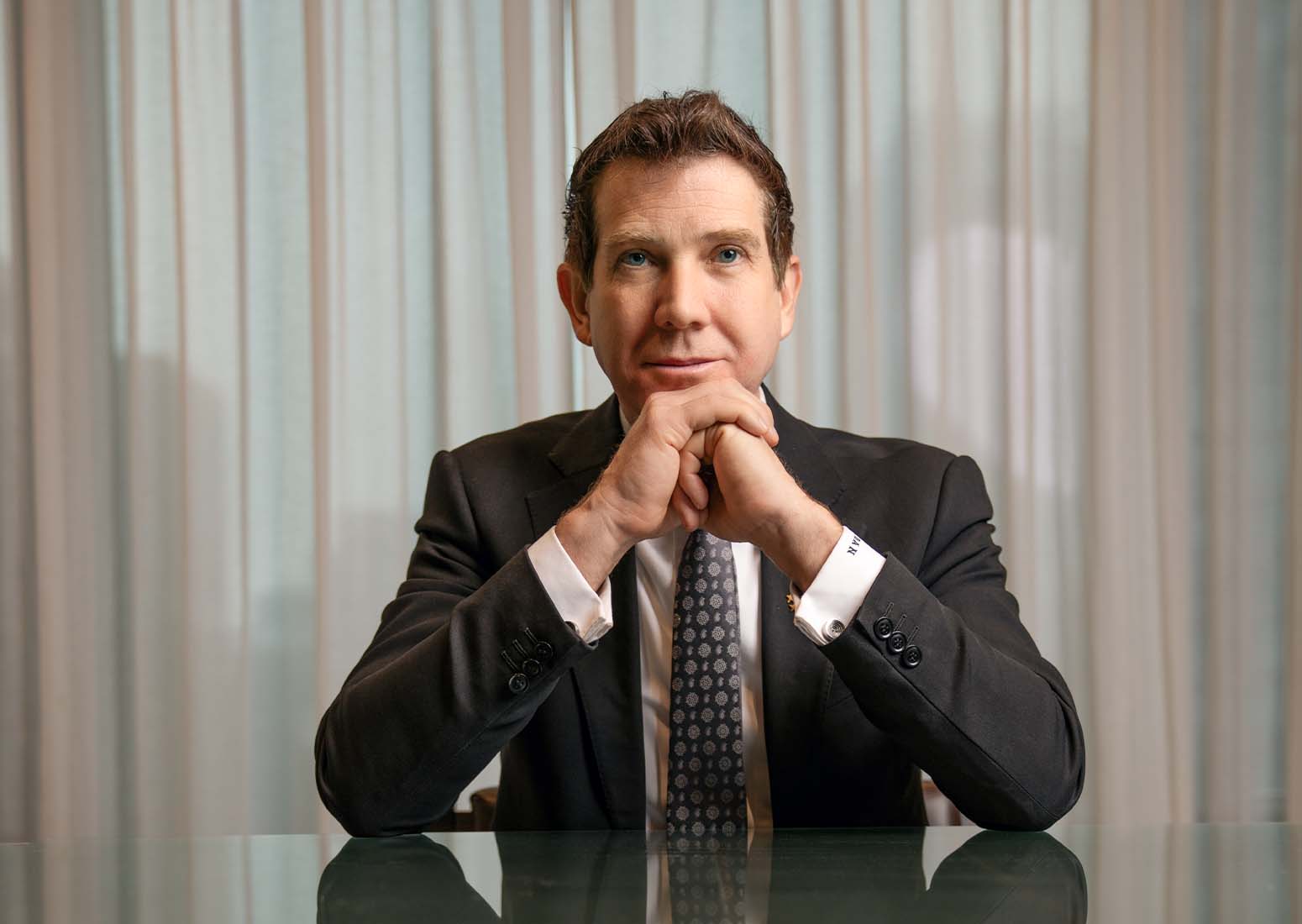
General Manager Daniel Newberry gives Dolce the exclusive on what goes into maintaining the legacy of one of Toronto’s most luxurious hotels.
No other luxury hotel in downtown Toronto enjoys a better location than The St. Regis Hotel. Towering 65 storeys above the corner of Bay Street and Adelaide Street West, The St. Regis is just one short block from the office skyscrapers surrounding the intersection of King and Bay, the heart of the country’s business community and the largest concentration at a single intersection of national-bank head offices in North America. To use a Canadian idiom, The St. Regis Hotel sits at centre ice among the power brokers of our nation, the best address in the city.
Befitting its preeminent location and the clientele it attracts, including world leaders in business and industry, The St. Regis Hotel brings an elevated standard of luxury and service to its guest experiences, from its suites to its fine dining and its many amenities. The hotel sees this level of luxury and service as part of its responsibility to contribute to the vibrancy and brand of the city.
“We want to set the benchmark of what luxury is in Toronto,” says General Manager Daniel Newberry in his recent exclusive interview with Dolce. “It’s already a gateway city, as we know, but I truly believe both the hotel business and hospitality business are really critical in redefining what Toronto is, and they can play a role in attracting new investment and new travellers to an incredible city like Toronto.”
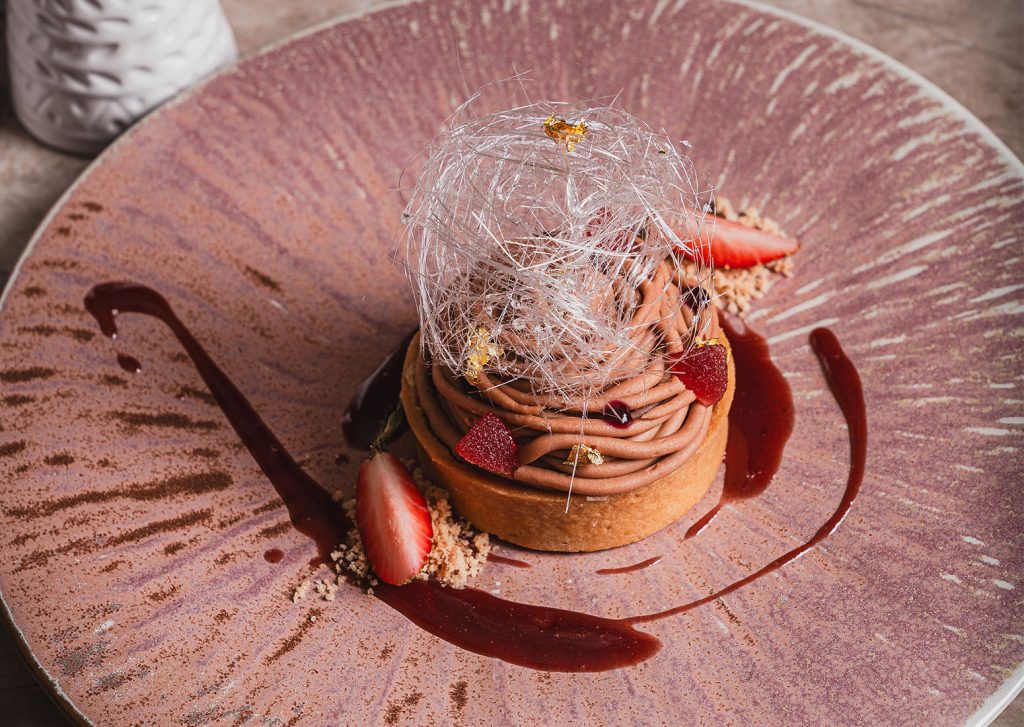
The St. Regis Hotel brand, one of the most famous in the world, comes with a fascinating history. The brand was founded in 1904 with the opening of The St. Regis Hotel in New York by tycoon John Jacob Astor IV, one of the world’s wealthiest men and a person who embodied the extravagance and splendour of the Gilded Age. When Astor died tragically on the Titanic in 1912, he left behind a legacy of taste, service and craftmanship in everything he had done.
In tribute, The St. Regis Hotel Toronto features the Astor Lounge off the lobby, which holds daily champagne saberings. Of course it also offers its signature cocktail, the Bloody Mary, which was invented at the New York St. Regis in 1934. Every St. Regis Hotel has its own version of the Bloody Mary. The St. Regis Hotel Toronto’s is called the Rouge 140, to pay homage to all the languages spoken around Toronto. The hotel also offers a signature afternoon tea from Friday to Sunday, with seasonal menus.
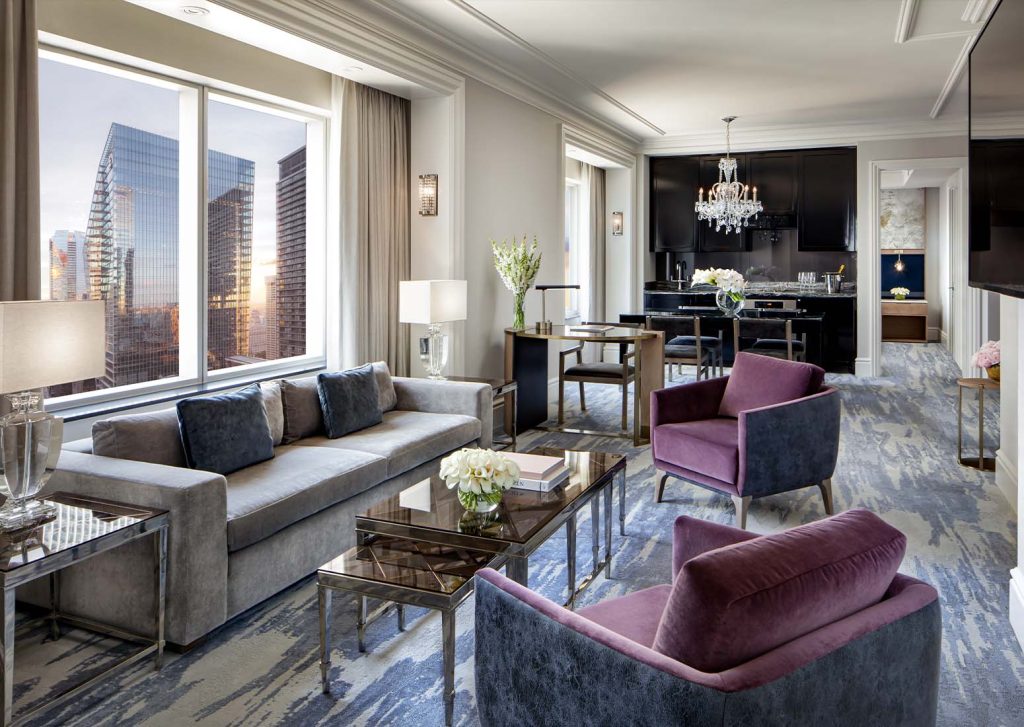
The St. Regis Hotel offers 258 spacious guest rooms starting at 550 square feet and all featuring high ceilings and oversized windows. Included in those 258 guest rooms are 124 luxury suites, Canada’s largest collection in any hotel — all featuring elegant and finely crafted modern décor.
“It’s a Fine Balance to Bring Our History and Legacy Into the Modern Day, but It’s Actually a Phenomenal Opportunity to Bring Depth to the Guest Experiences.”
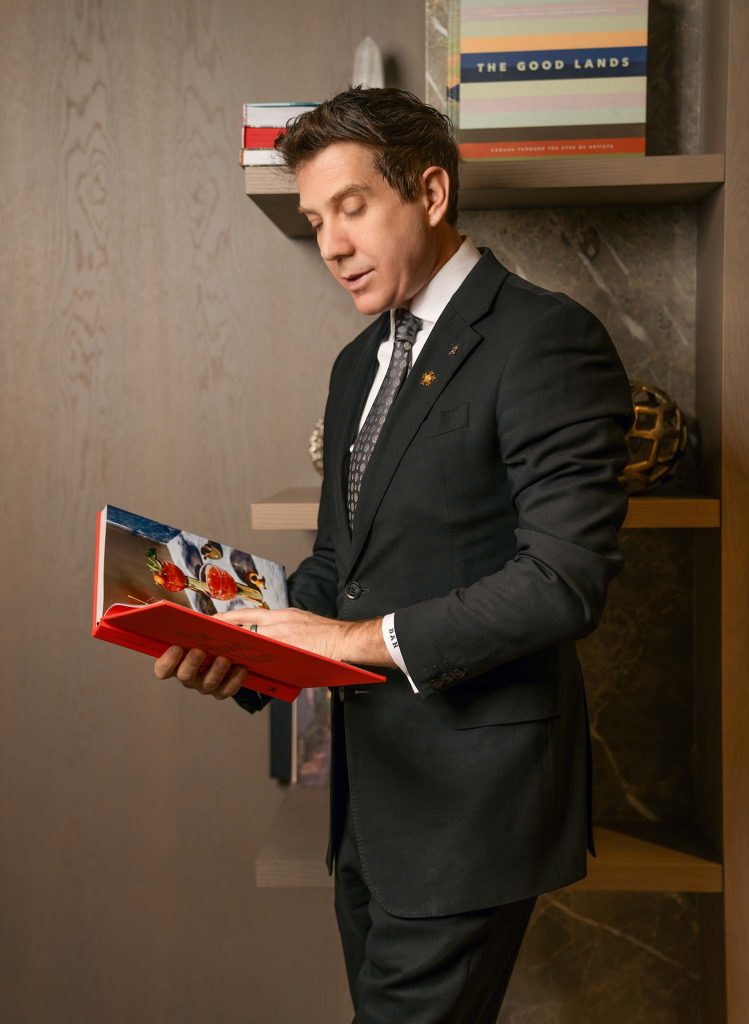
Guests can access 24-hour in-room private dining, enjoy concierge, butler and child-care services, and make use of a full business centre and a 24-hour fitness centre. Valet parking and limousine services are offered, along with bespoke event spaces, including the grand St. Regis Ballroom and the Astor Ballroom, with full first-class catering and event planning services available for the execution of any function.
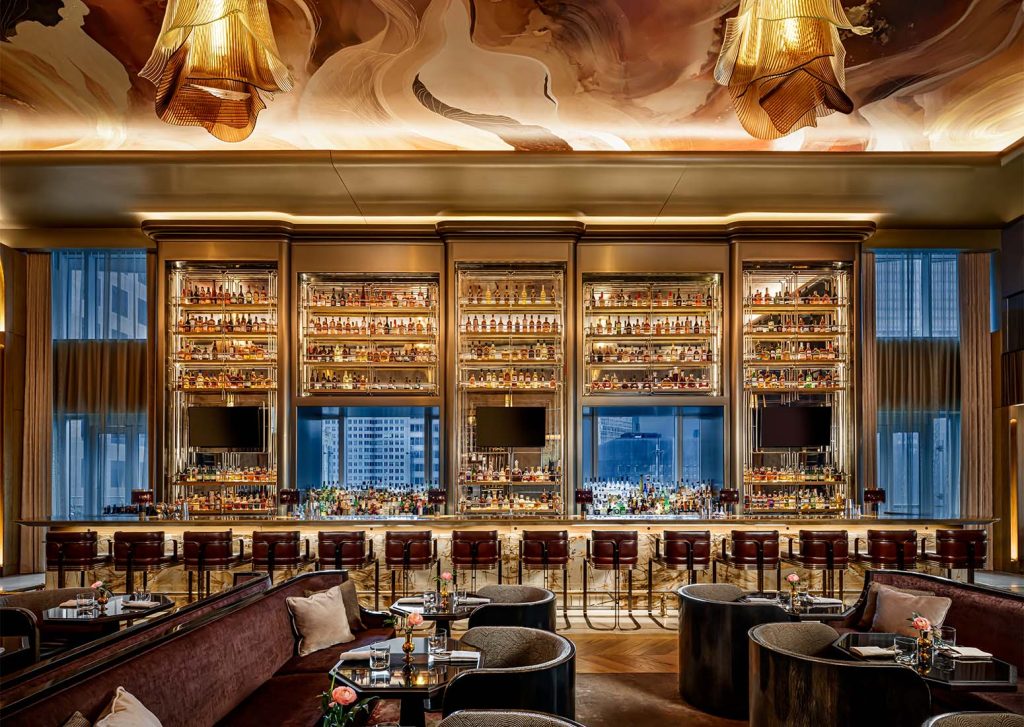
The 31st floor of The St. Regis Hotel is home to an urban wellness sanctuary and the hotel’s flagship restaurant, LOUIX LOUIS, which since its opening in 2018 has been recognized as one of Toronto’s finest dining experiences. The restaurant includes a grand two-storey-high bar with a beverage menu that lists more than 500 dark spirits, one of the largest collections in North America.
All these amenities and services, offered within spaces of unrivalled luxury, are what Newberry says add to the personalized and memorable St. Regis guest experience. “It’s a fine balance to bring our history and legacy into the modern day, but it’s actually a phenomenal opportunity to bring depth to the guest experiences,” he says. “Our guests are looking for more storied experiences — still relevant, but which have a little bit more meaning — and we always bring those elements to the guest experience, which I think are a little bit more special.”